A selection of photographic works developed over time.
- Cartografía del Viento | Mapping the Wind
- New York, 1998–2001
- Japan, 2001–2003
- Eutopía
- Aldea
- Editorial Portraits | The Age of SMS
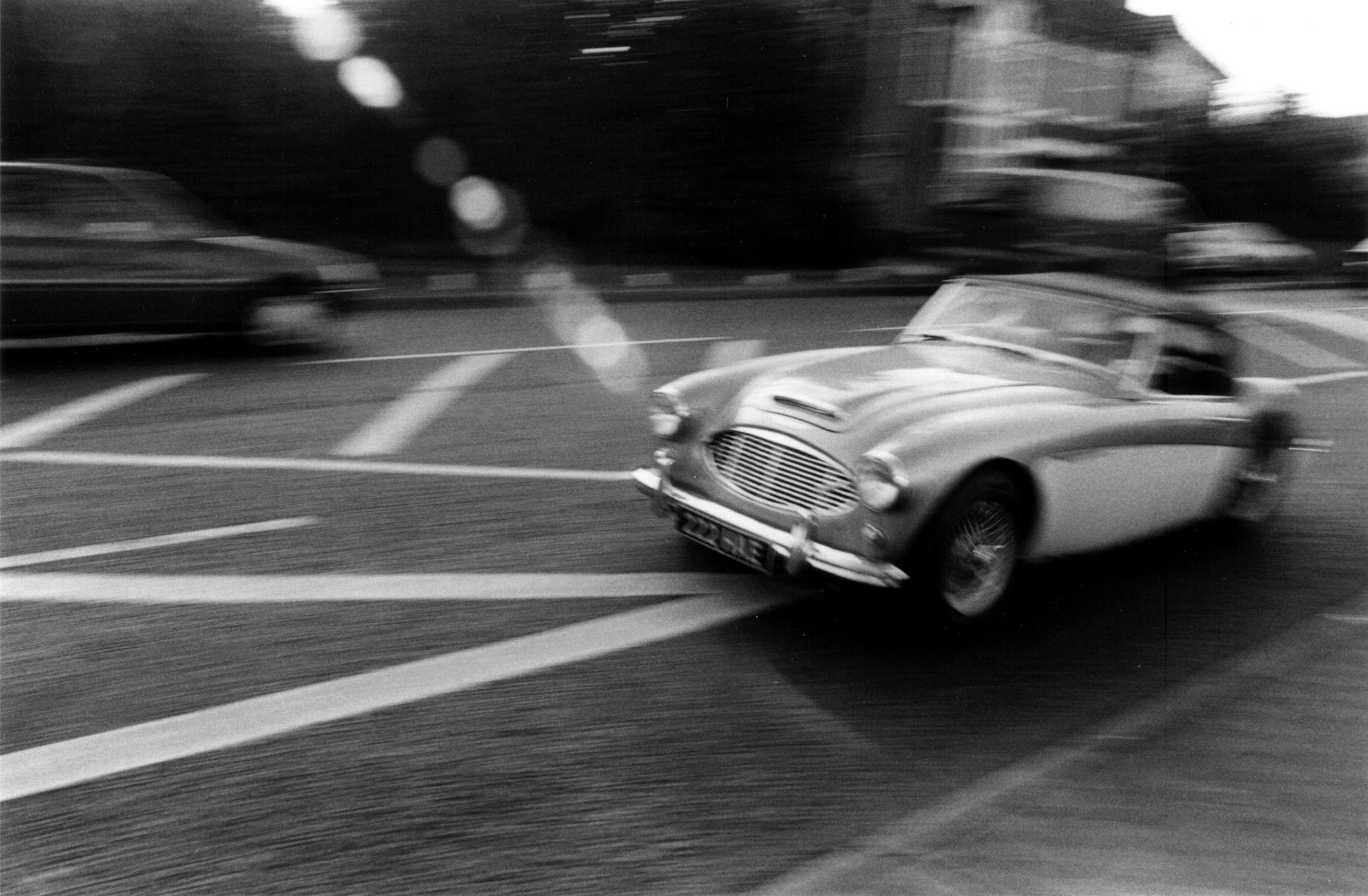
Cartografía del Viento | Mapping the Wind
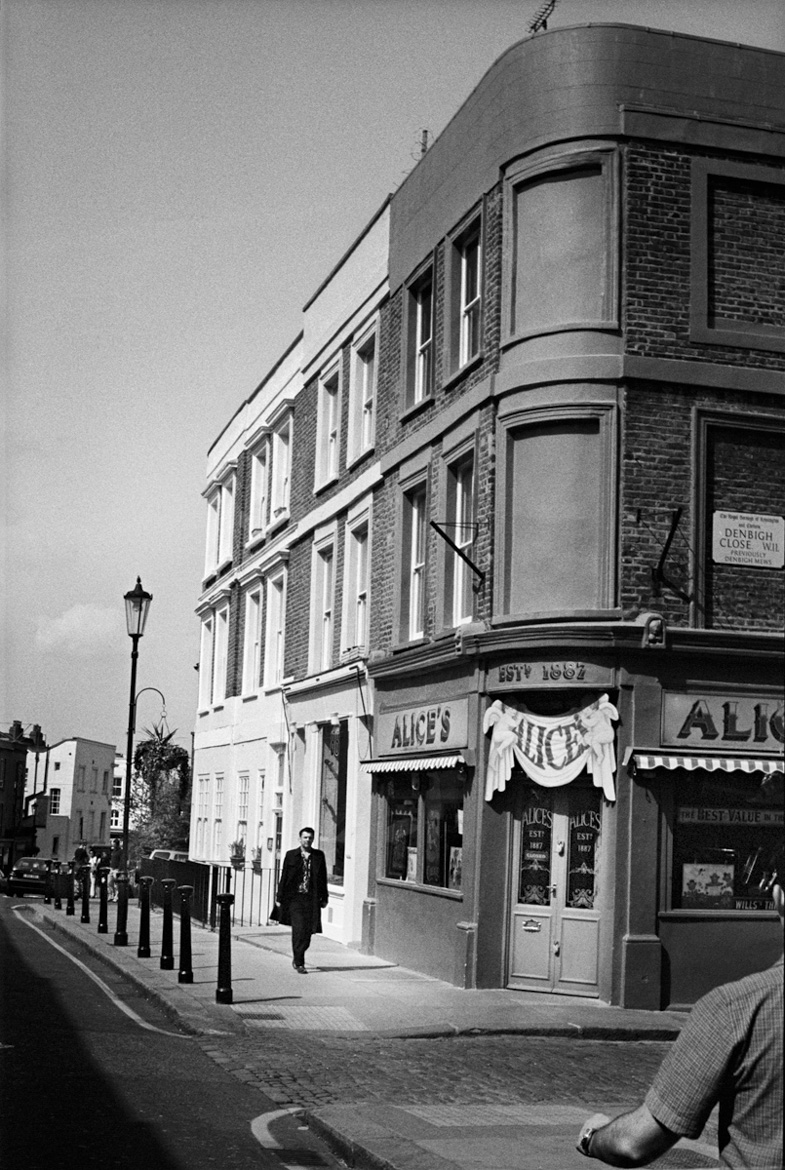
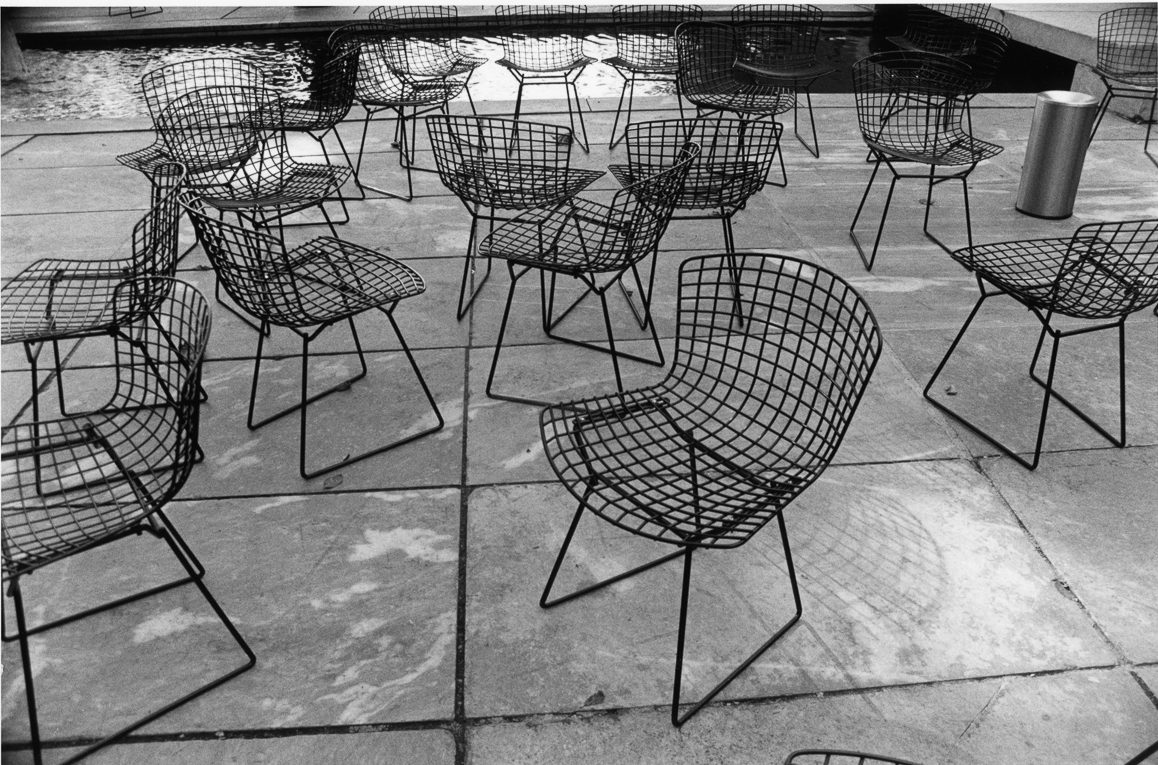
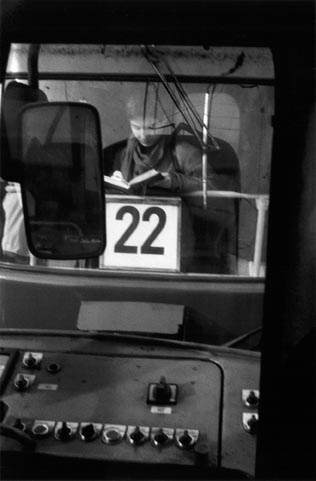
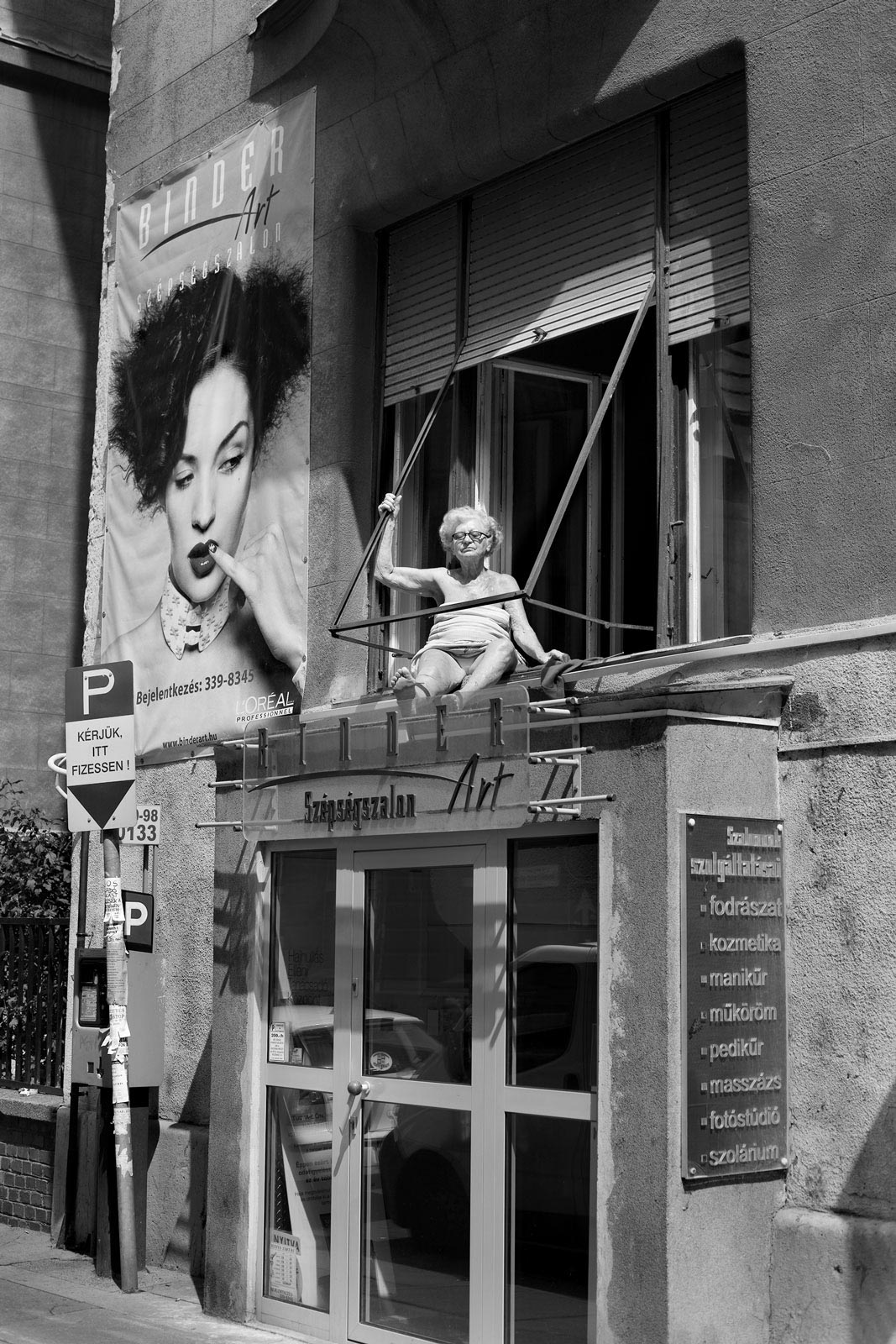
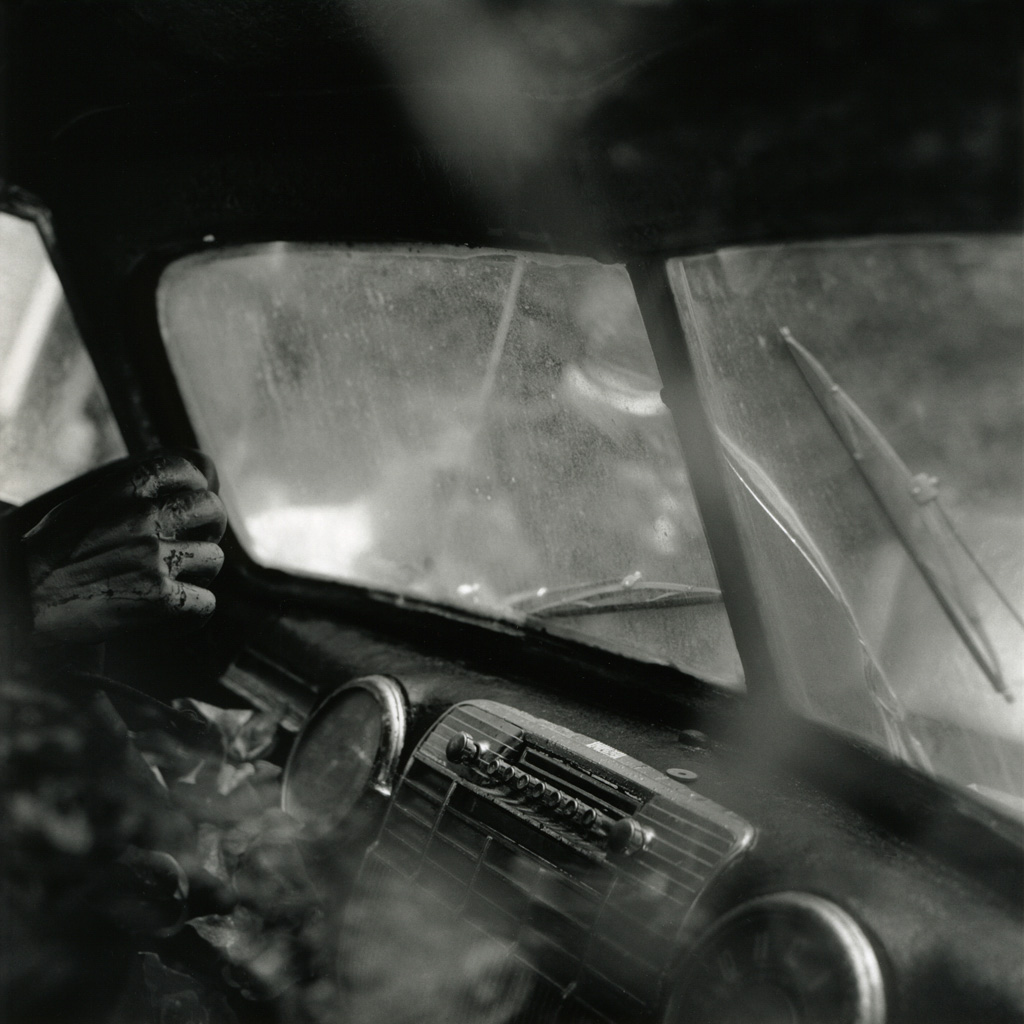
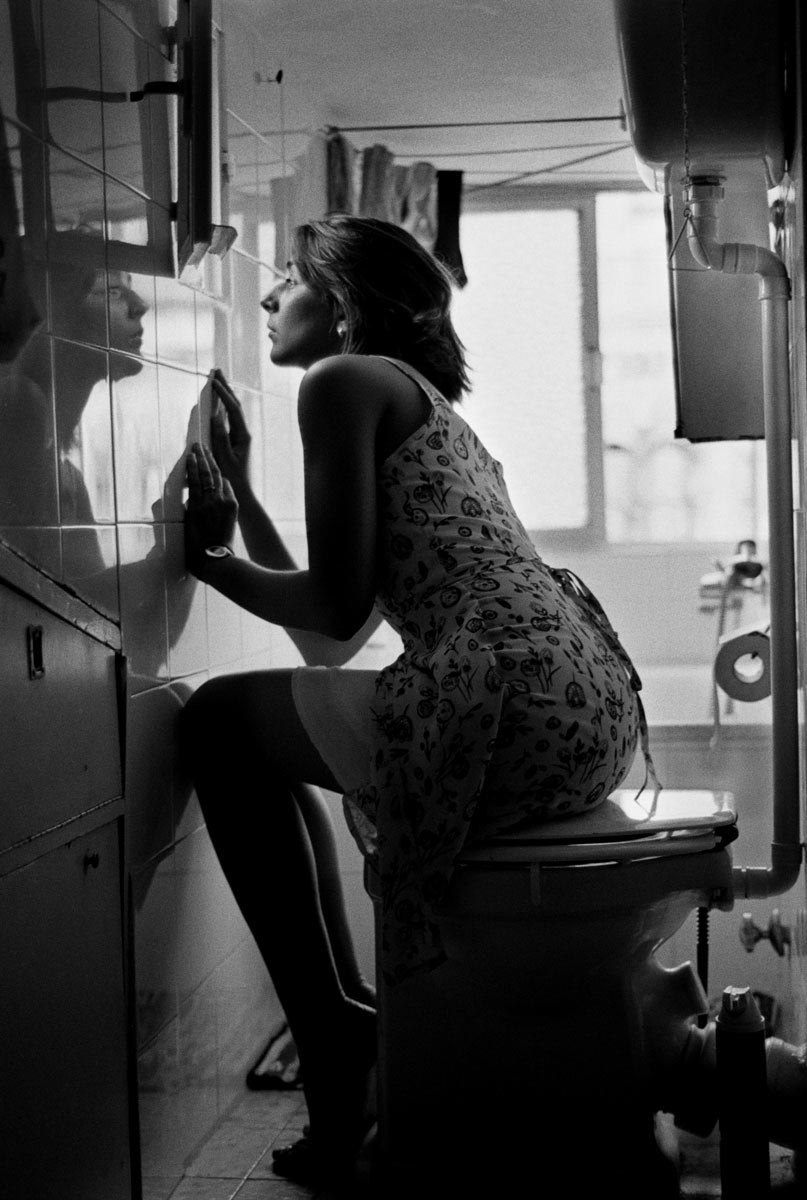
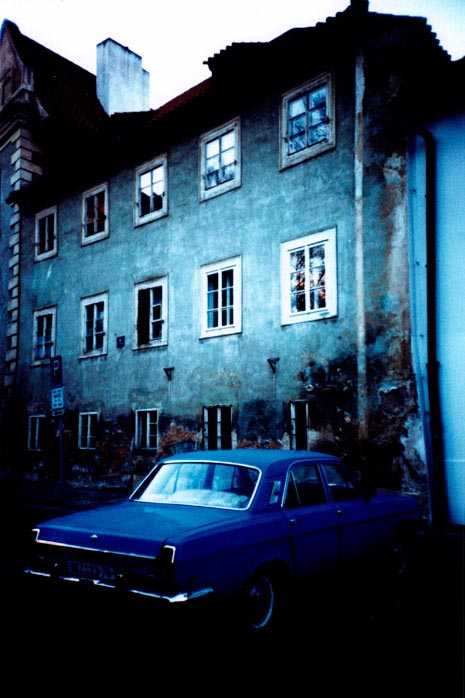
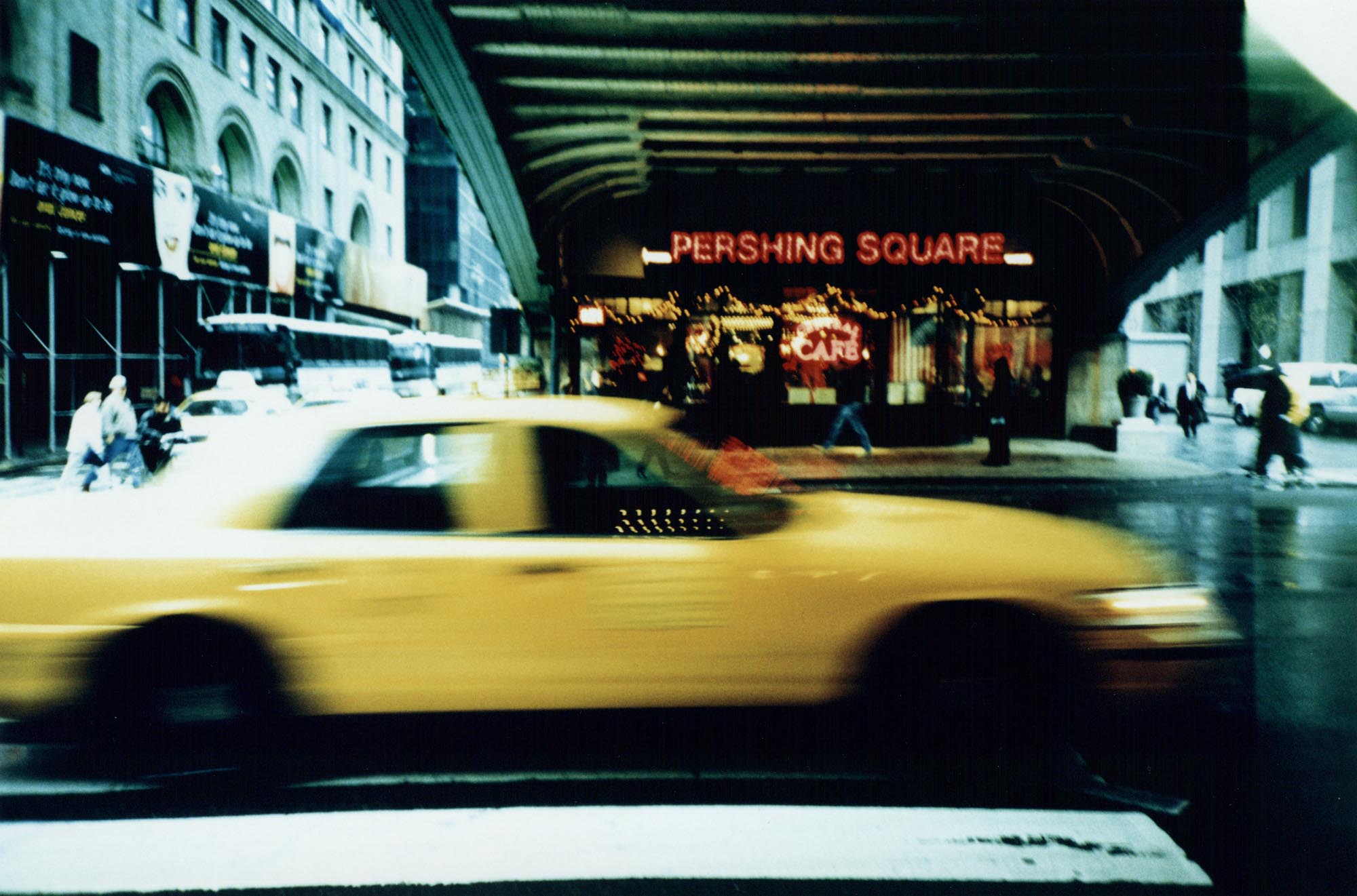
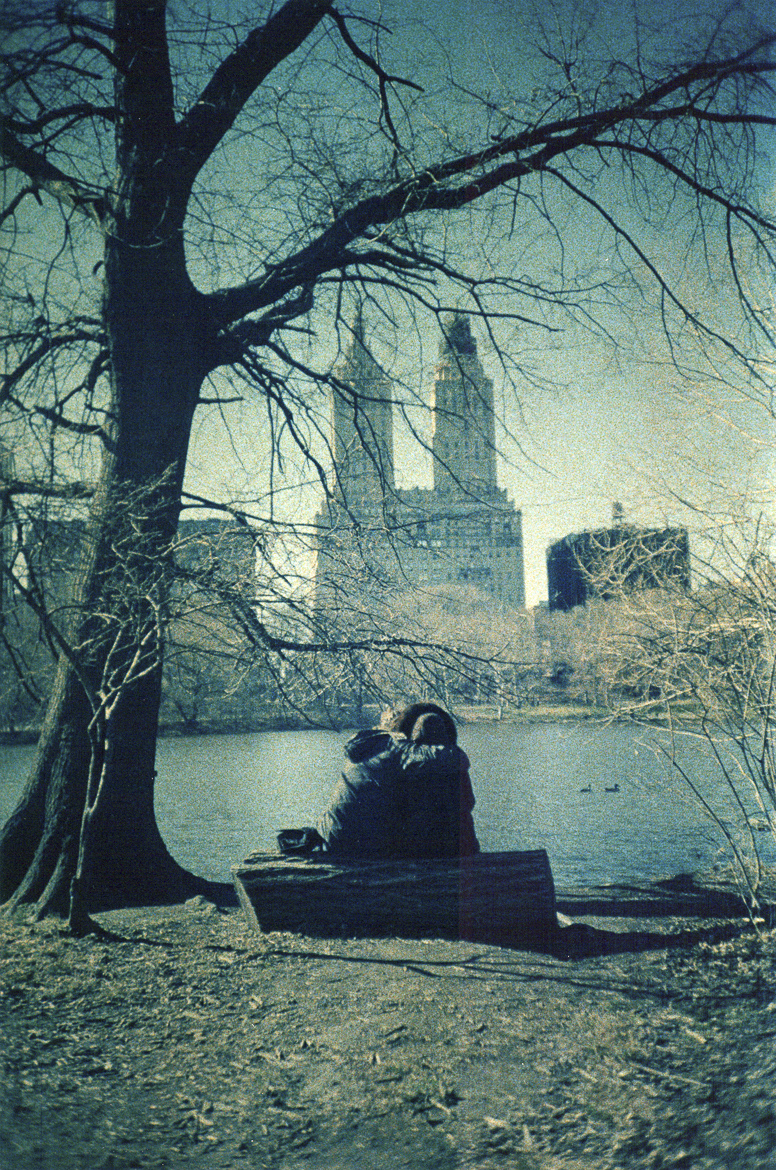
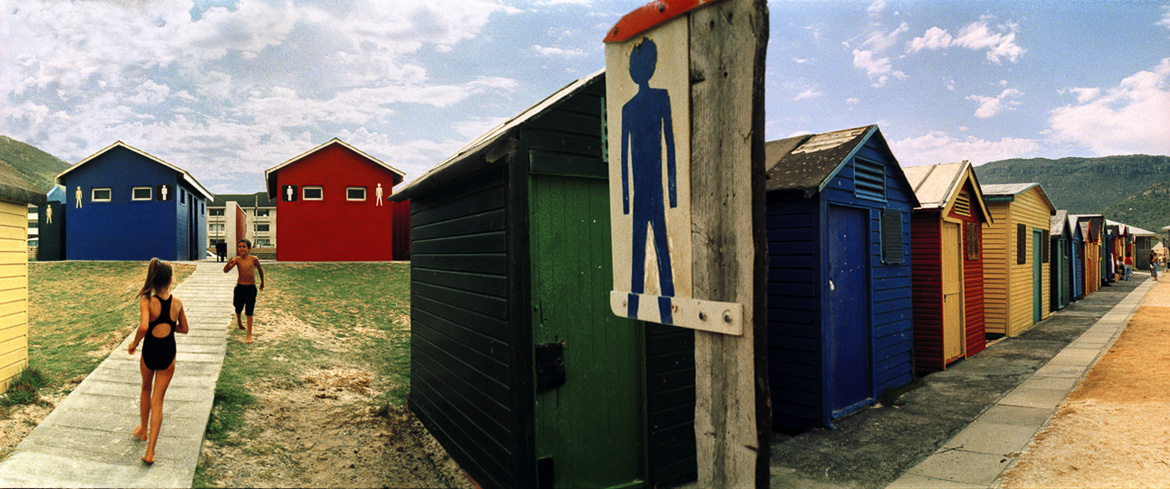
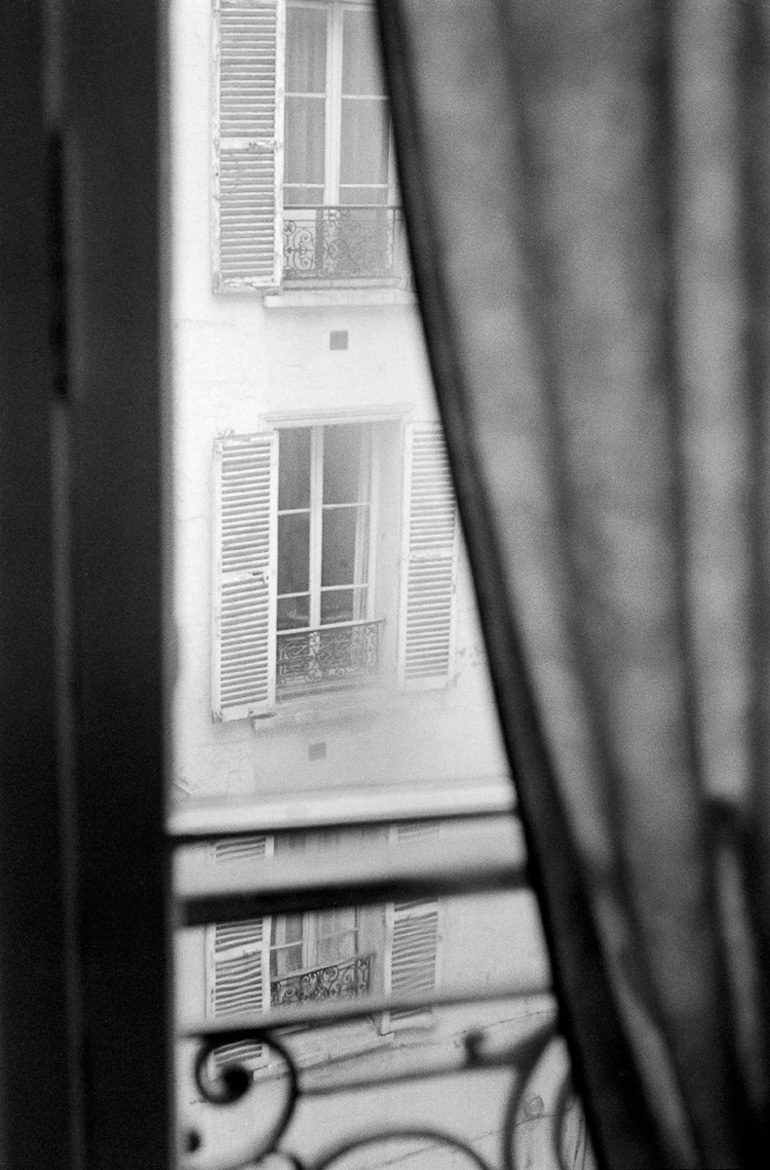
Work developed over many years, primarily between the mid-1990s and the early 2000s, and still open in its wider form. The images shown here belong to a carefully edited selection made on film and focus on places of passage and moments in between.
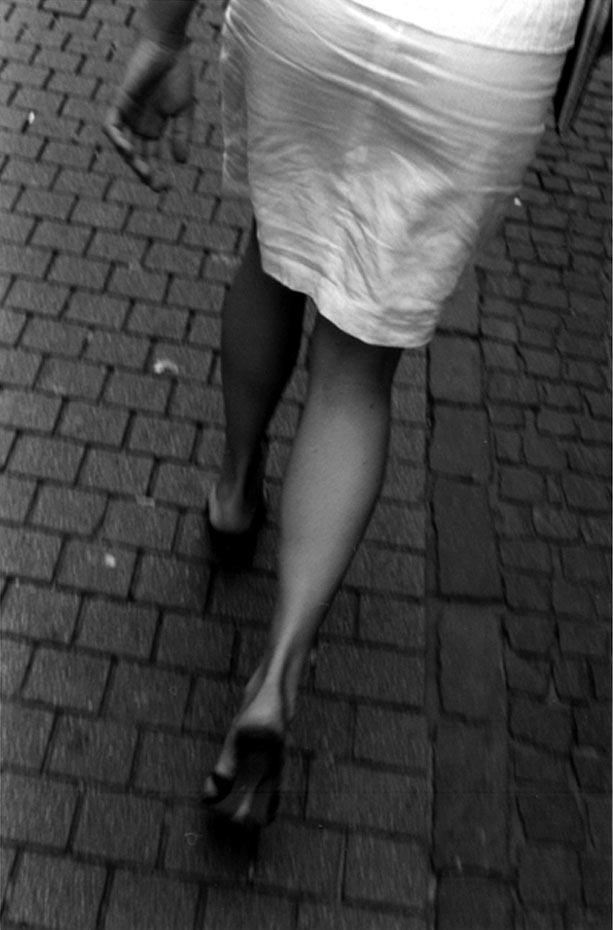
Mapping the Wind grows out of drifting through different places as a way of looking and understanding the world. The work unfolds through walking and encounters, allowing images to remain open, without the need to describe locations or impose a fixed narrative.
New York, 1998–2001
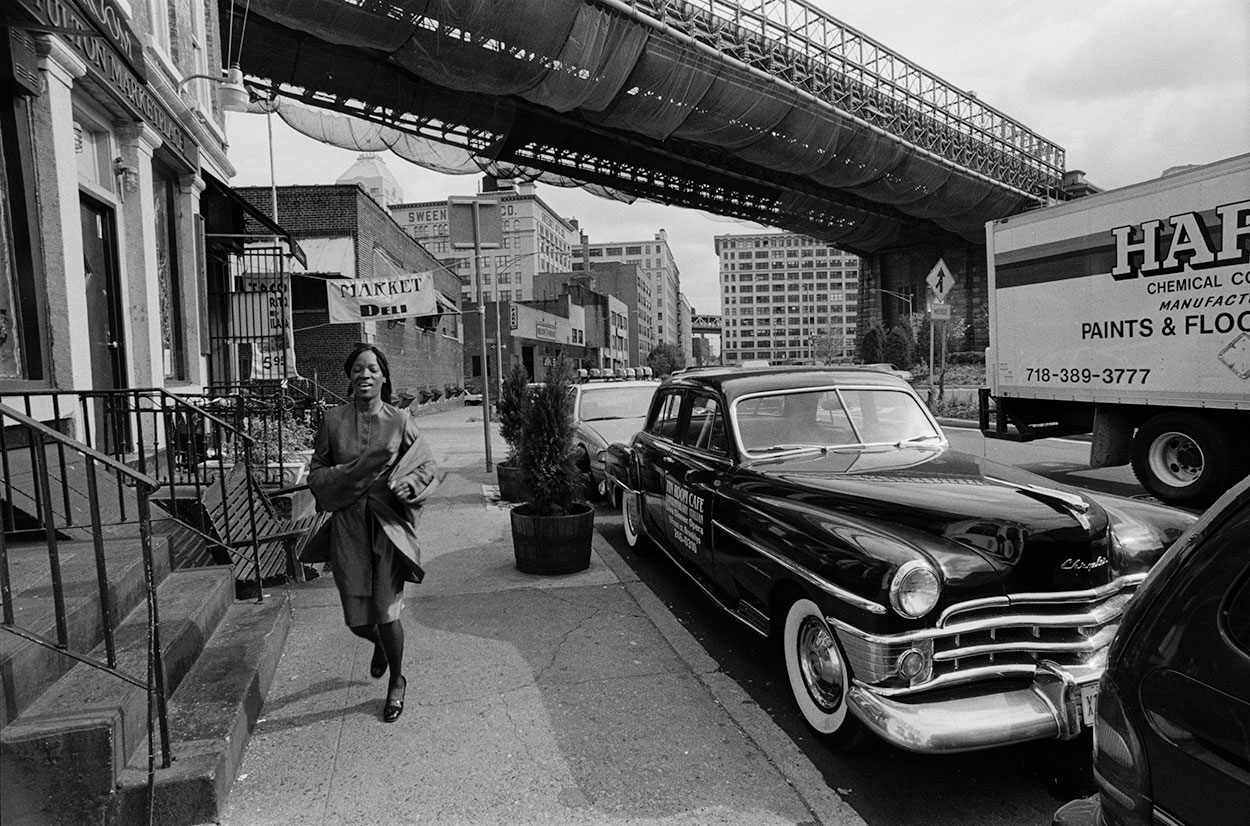
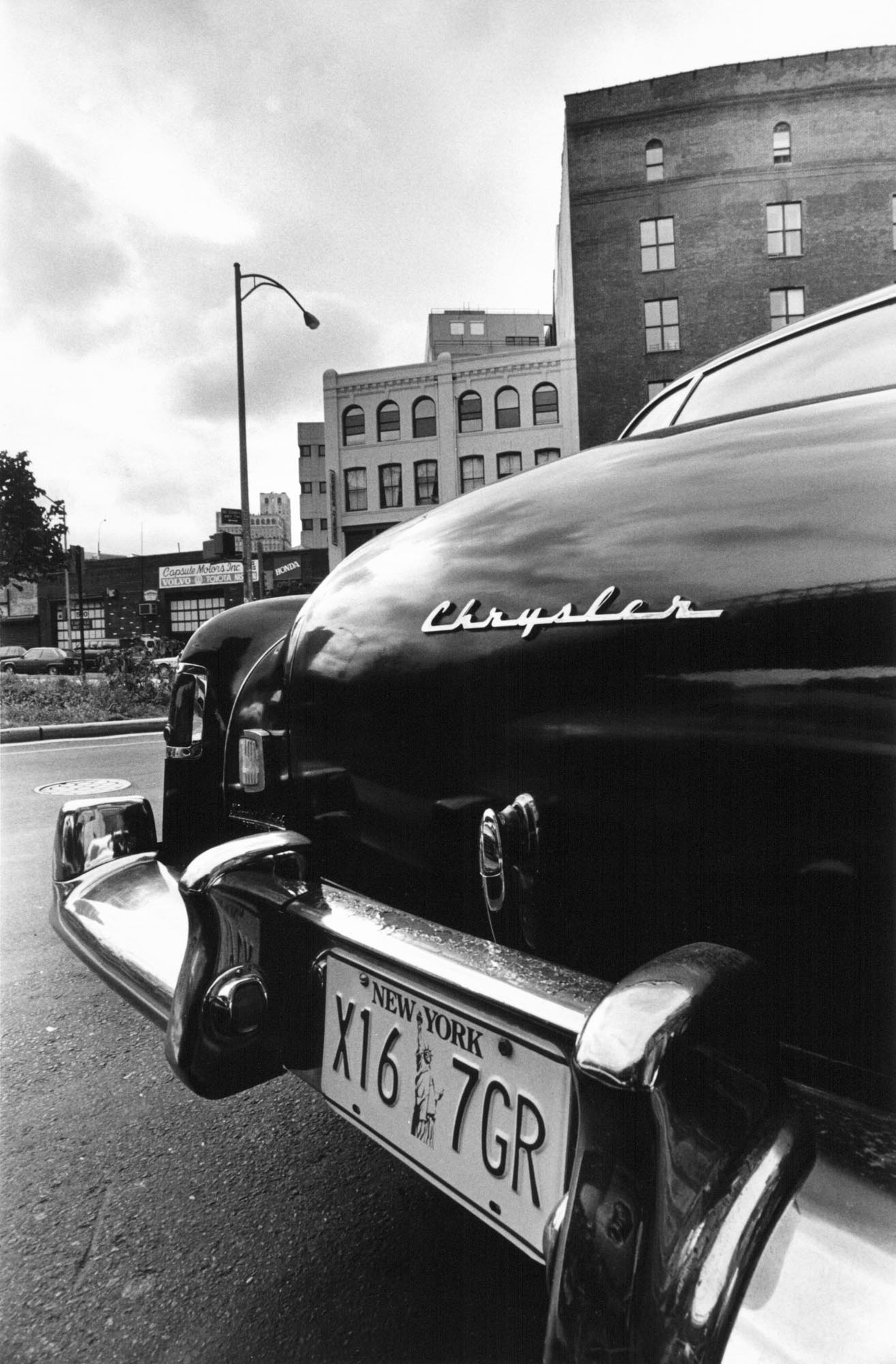
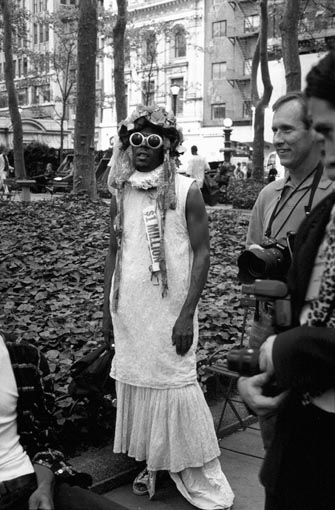
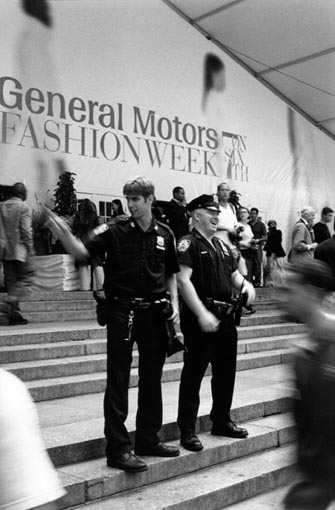
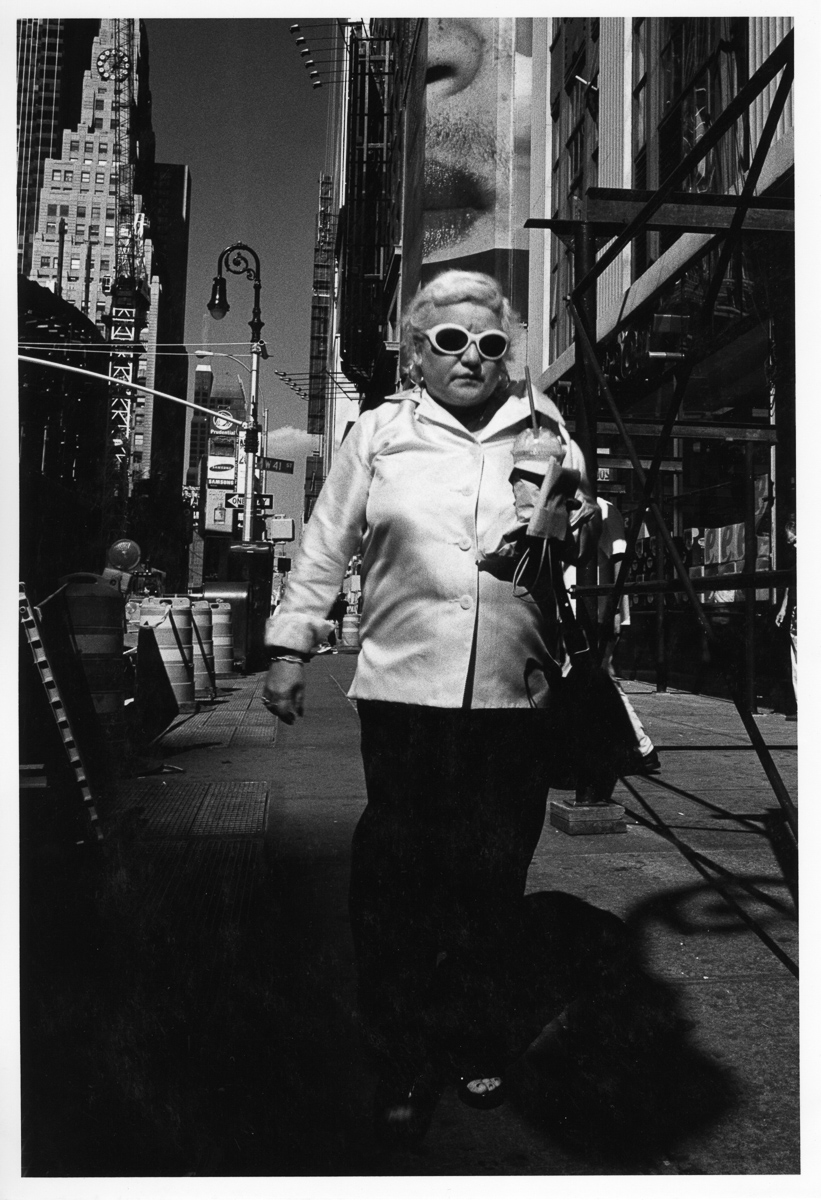
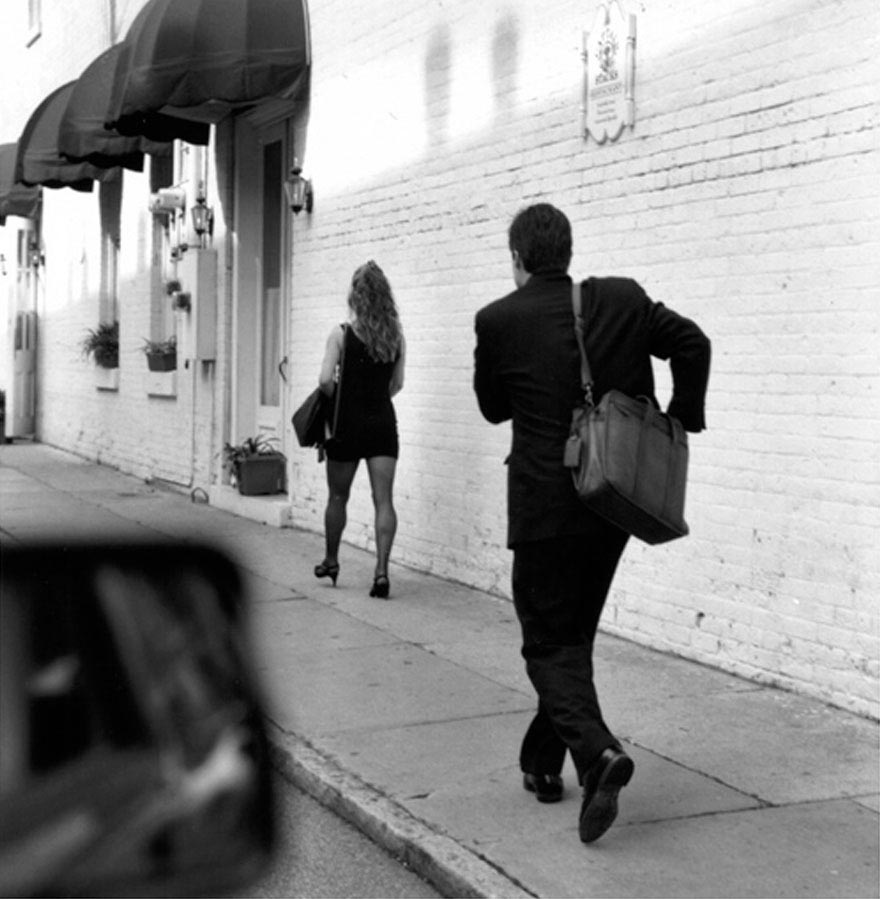
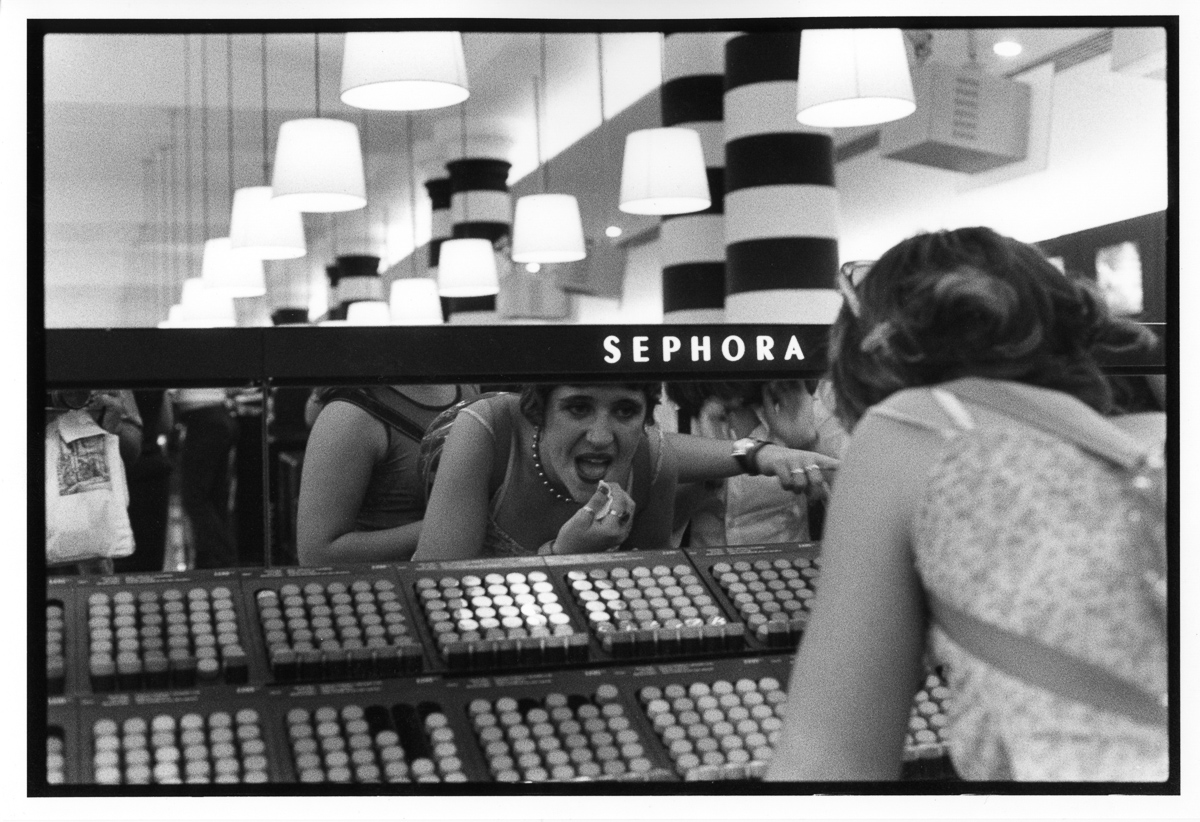
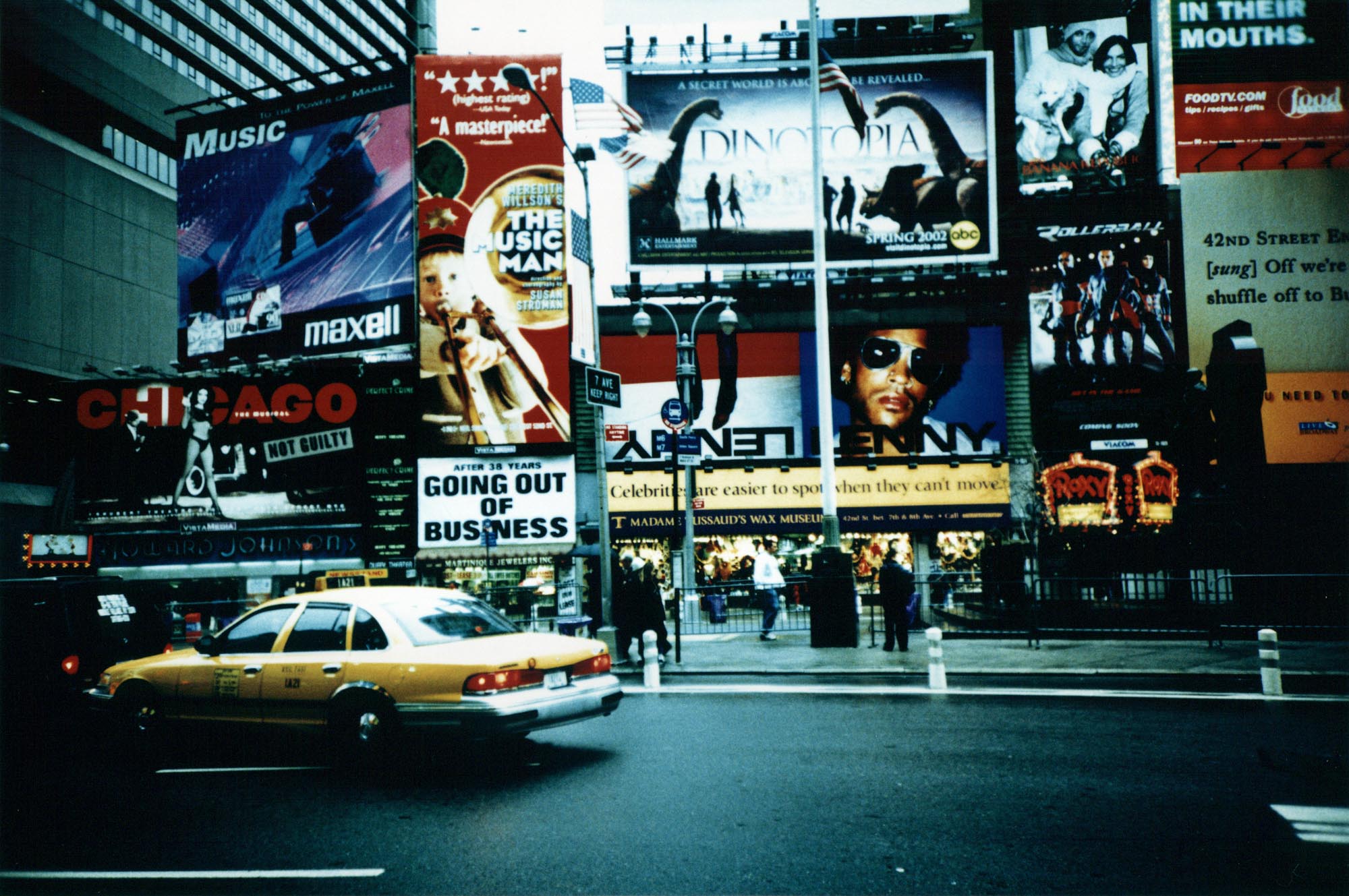
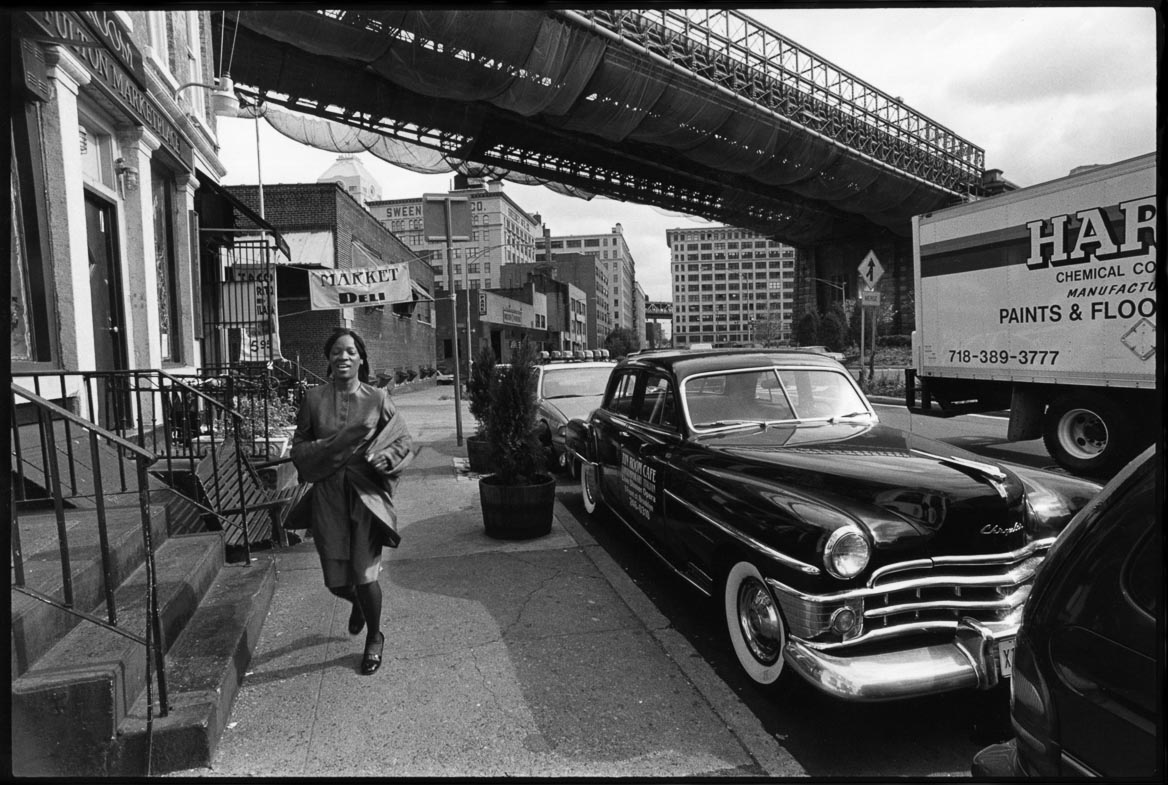
New York, 1998–2001 was developed over repeated stays in the city, allowing time and familiarity to shape the work. Moving mainly through Manhattan and its immediate surroundings, the photographs emerged from drifting without a fixed itinerary, shaped by everyday encounters within the constant movement of the city.
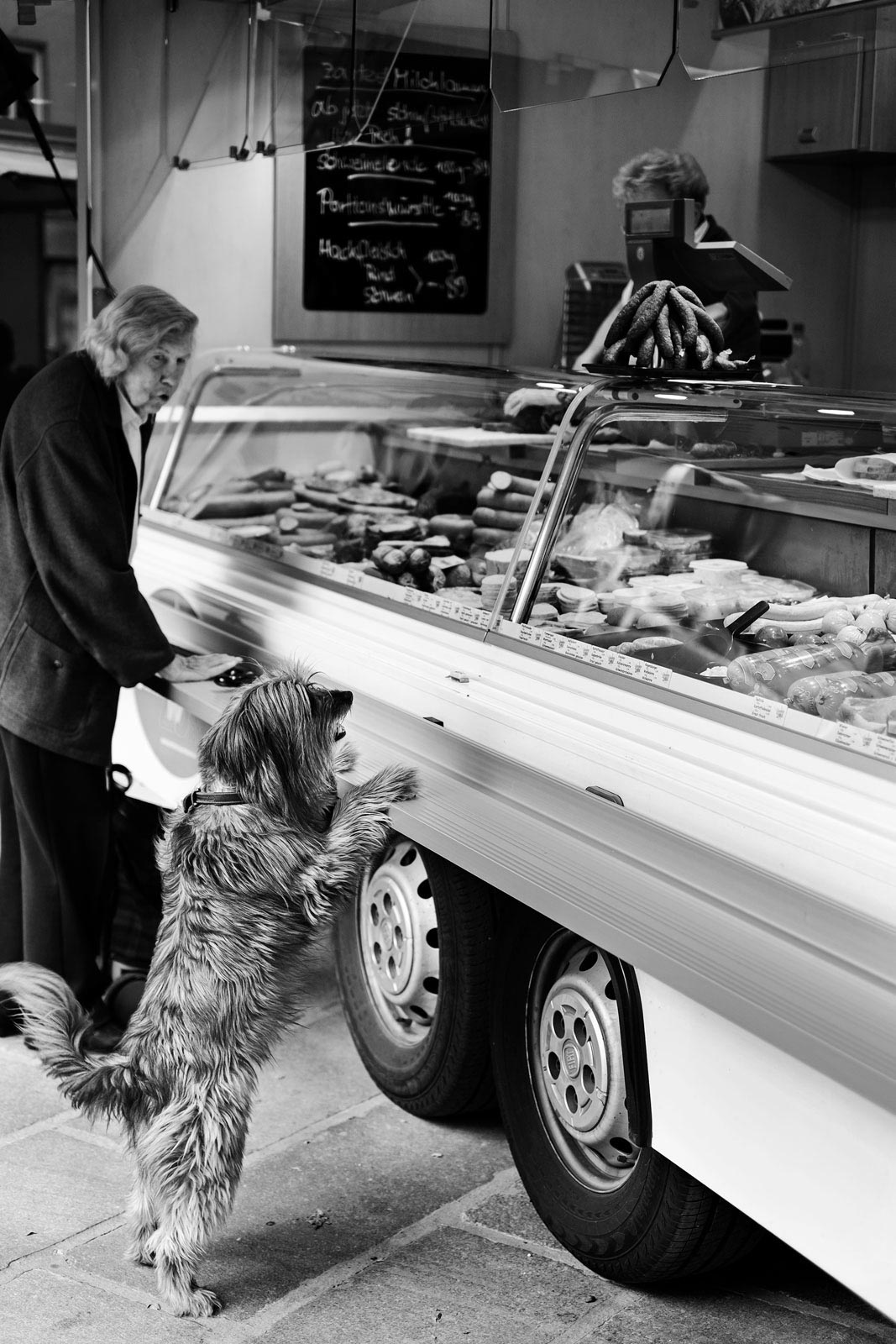
Working primarily in black and white, the images focus on gestures, presences and brief alignments of people and space. Rather than seeking spectacle, the work privileges rhythm and attention, building a visual language grounded in presence.
As with other bodies of work from this period, New York, 1998–2001 is not conceived as a portrait of the city, but as a continuation of a way of looking rooted in duration and movement. In this sense, the work aligns with Garry Winogrand’s understanding of photography as a way of seeing rather than explaining — photographing not to illustrate ideas, but to discover what takes shape once the image exists.
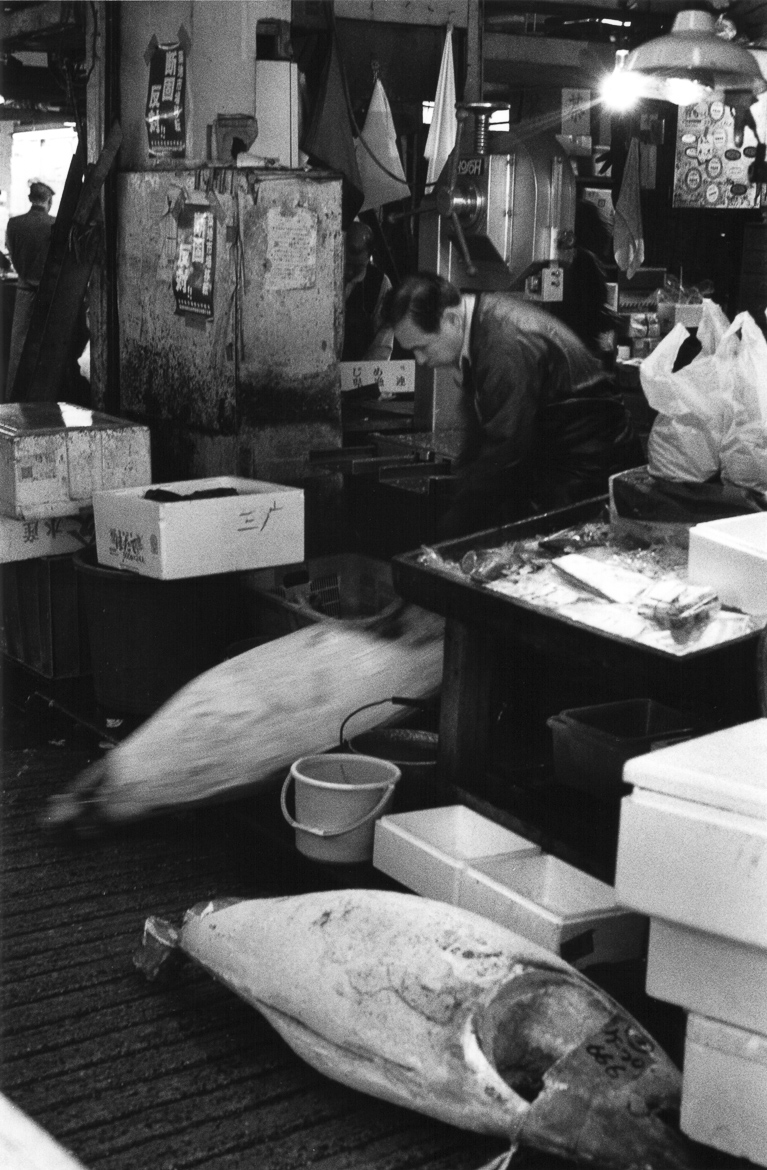
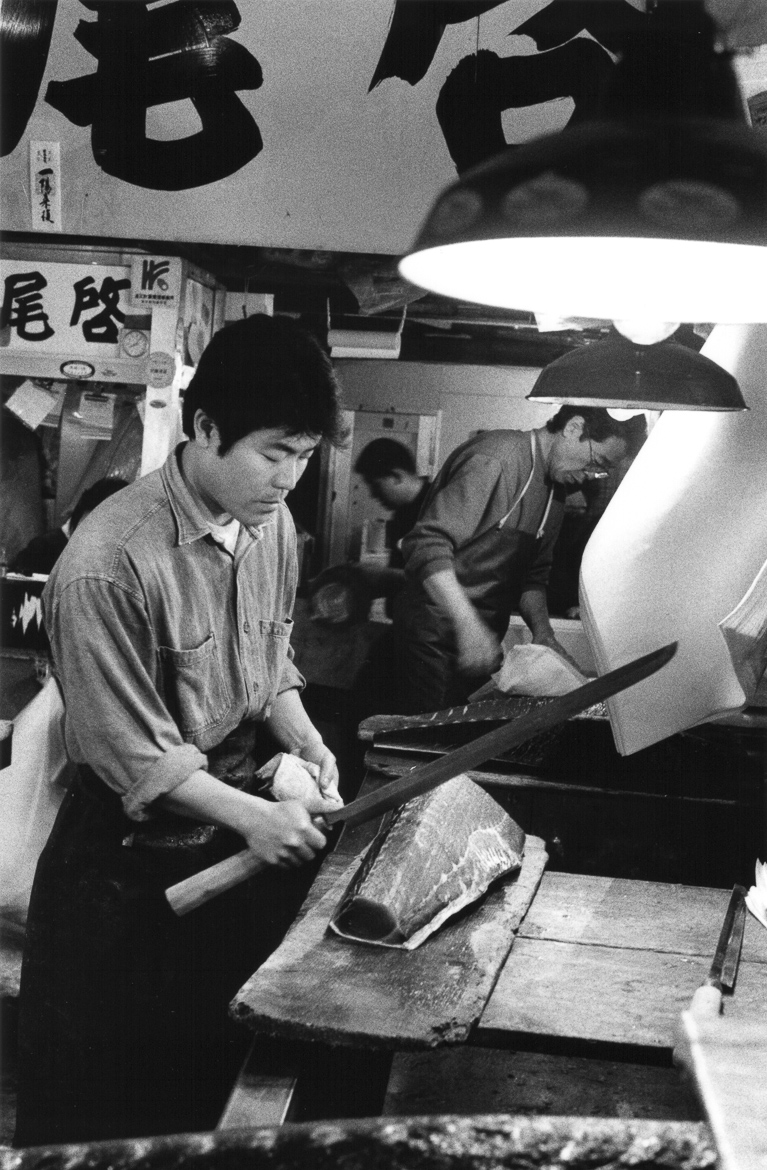
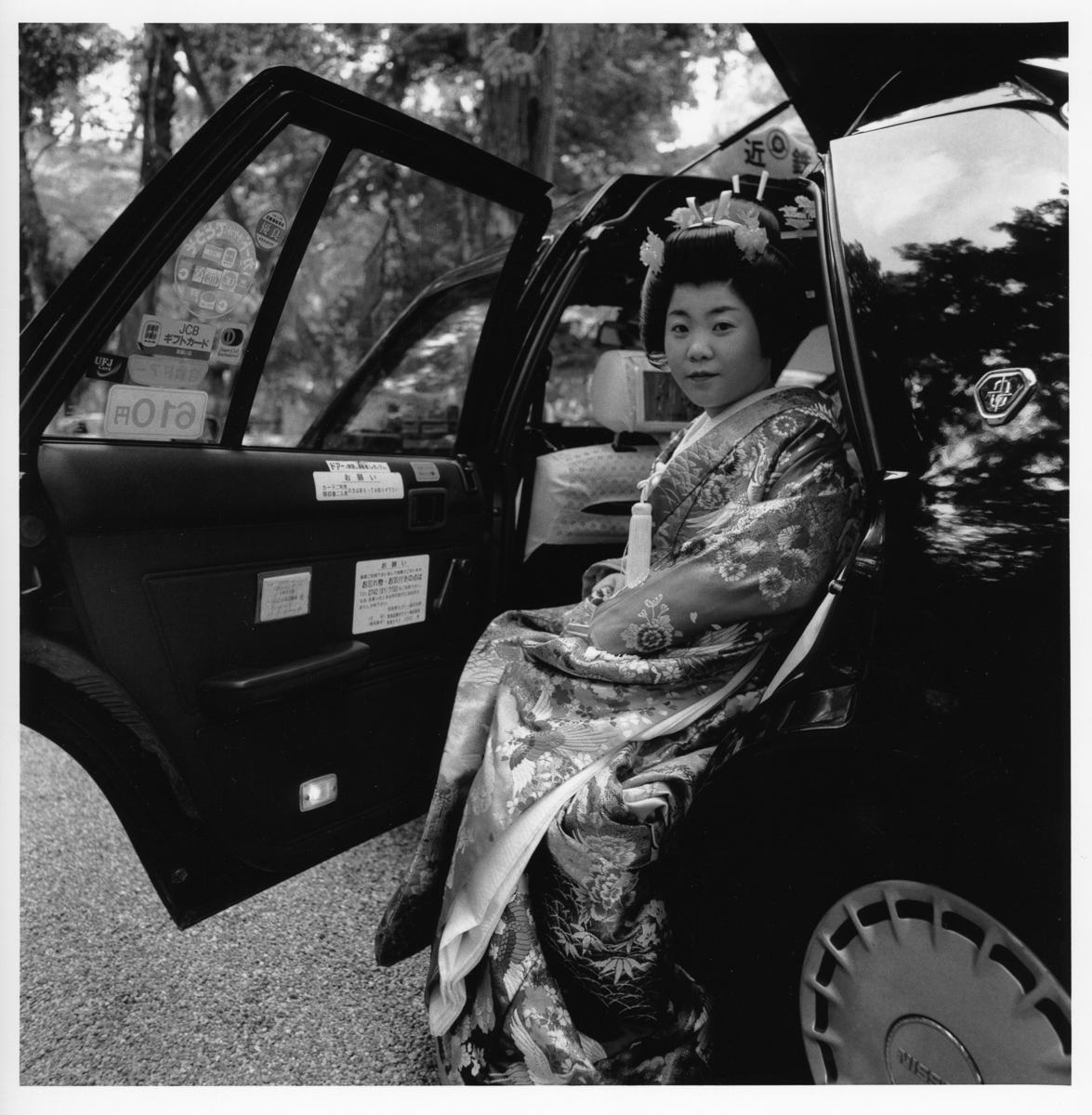
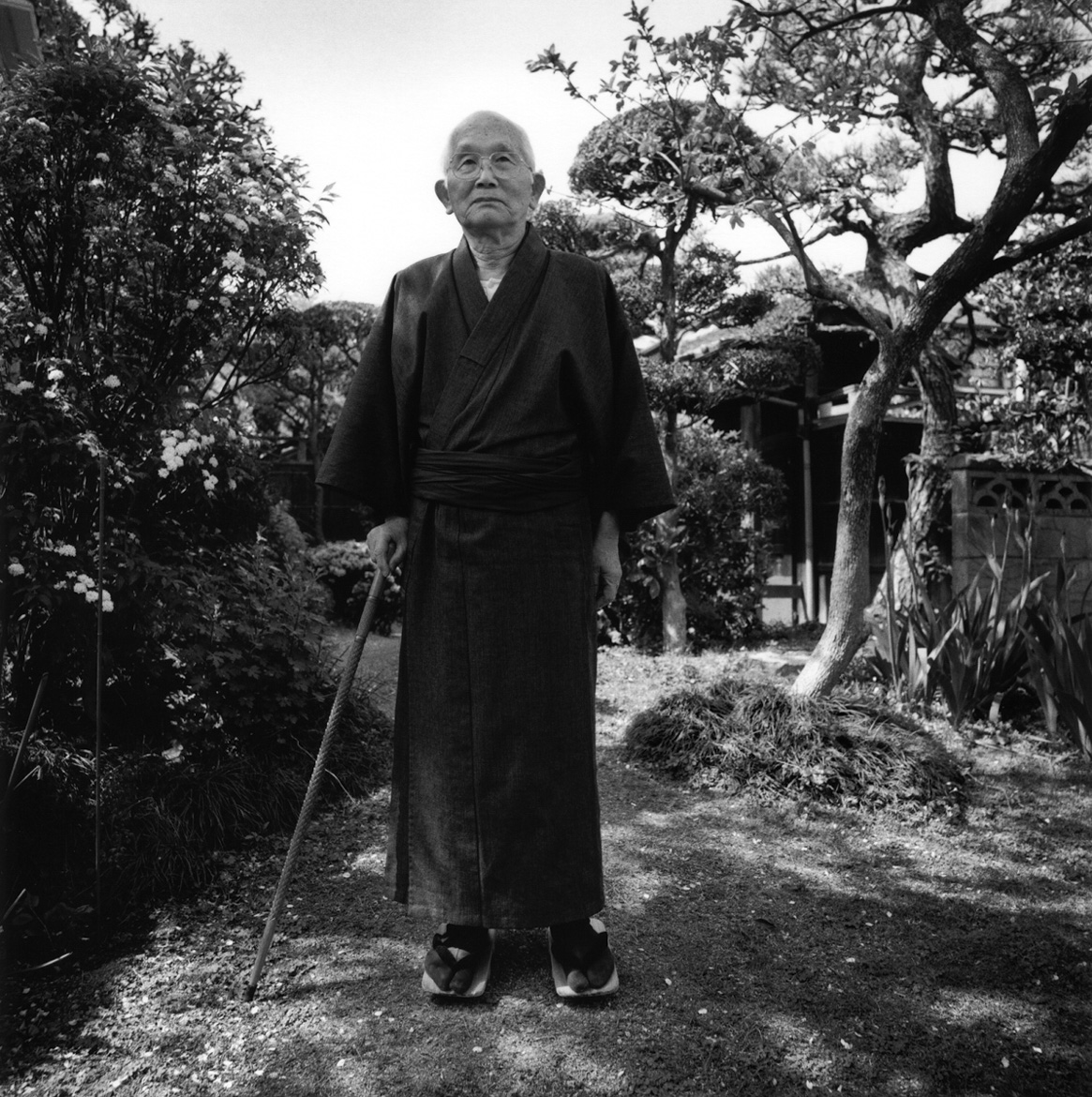
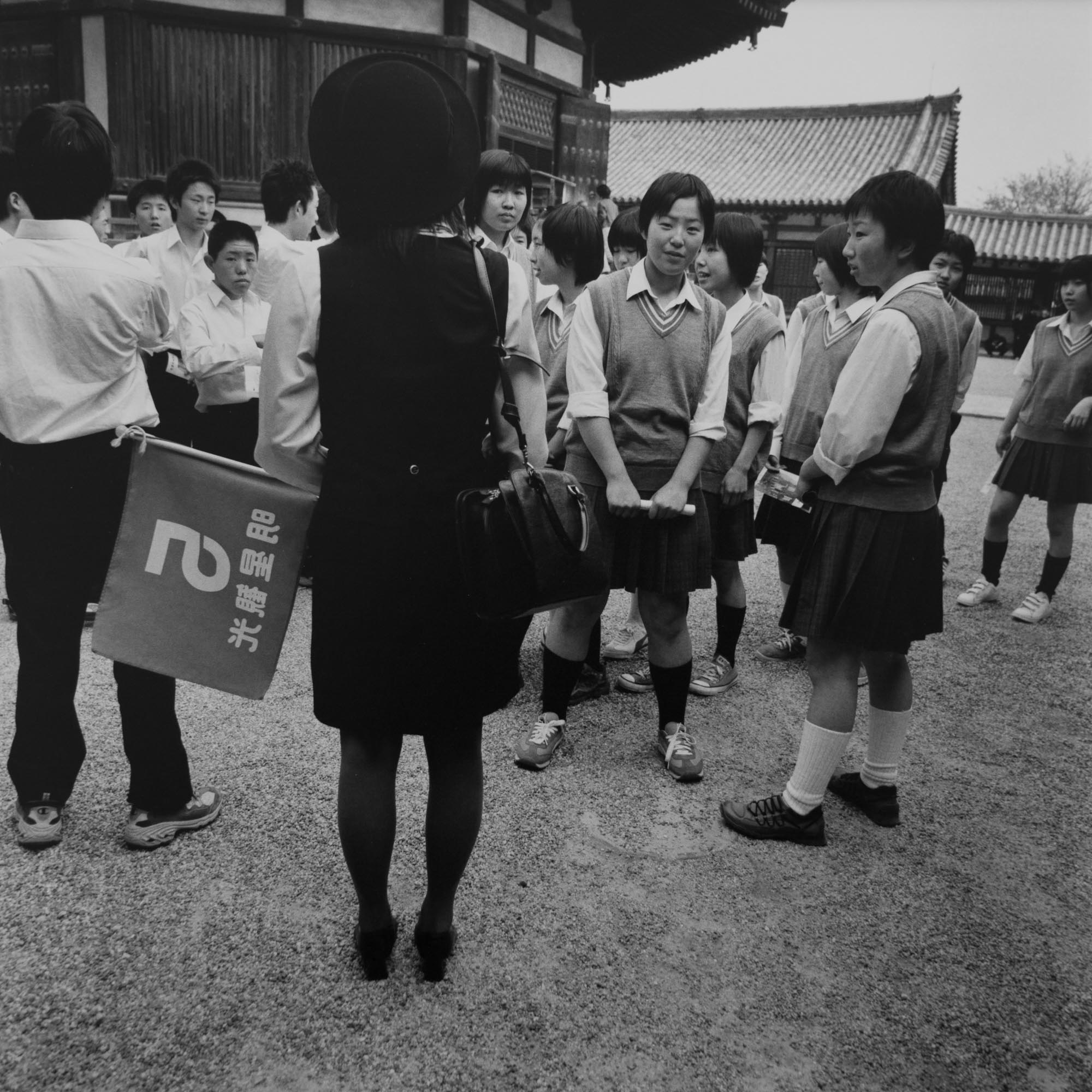
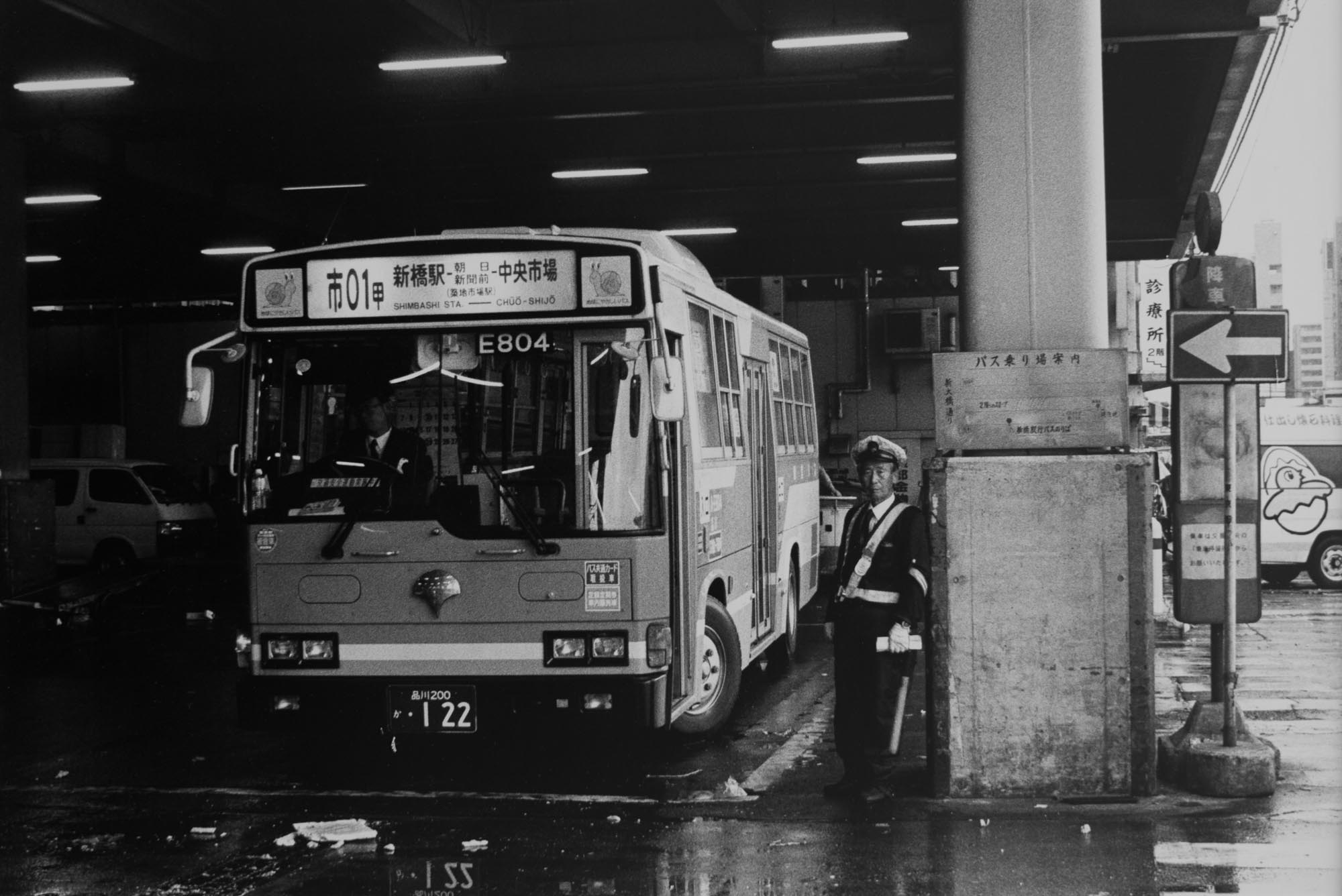
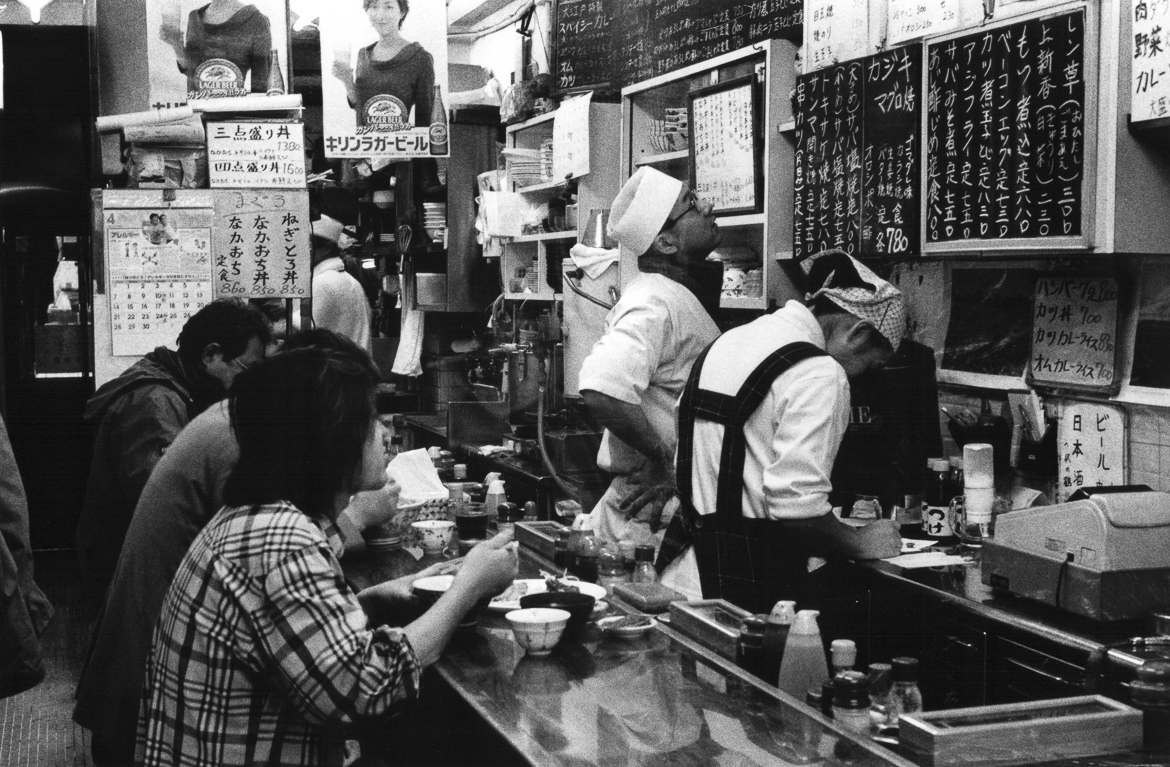
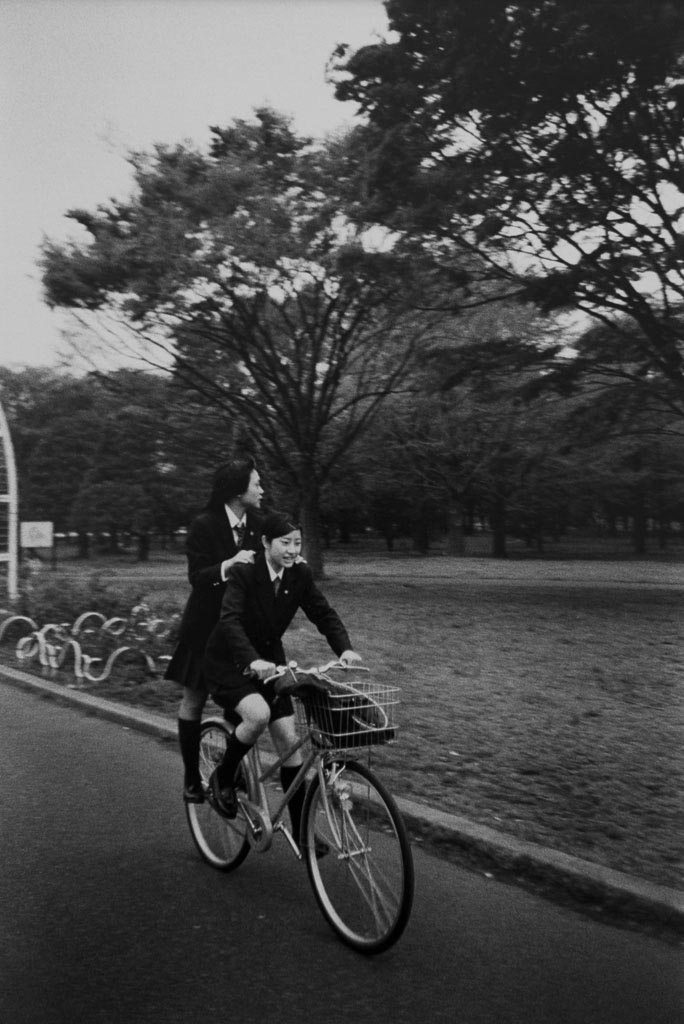
Japan, 2001–2003
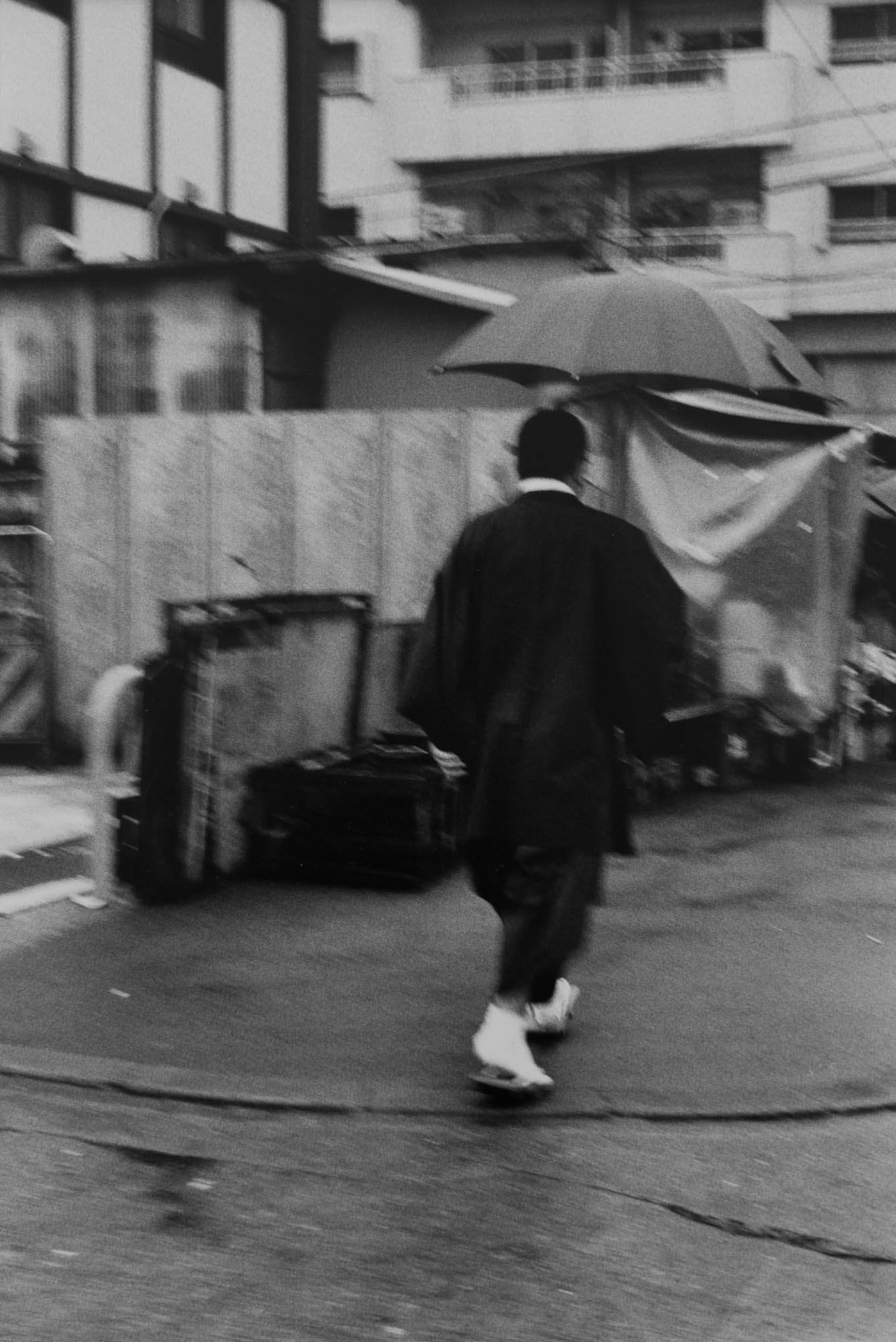
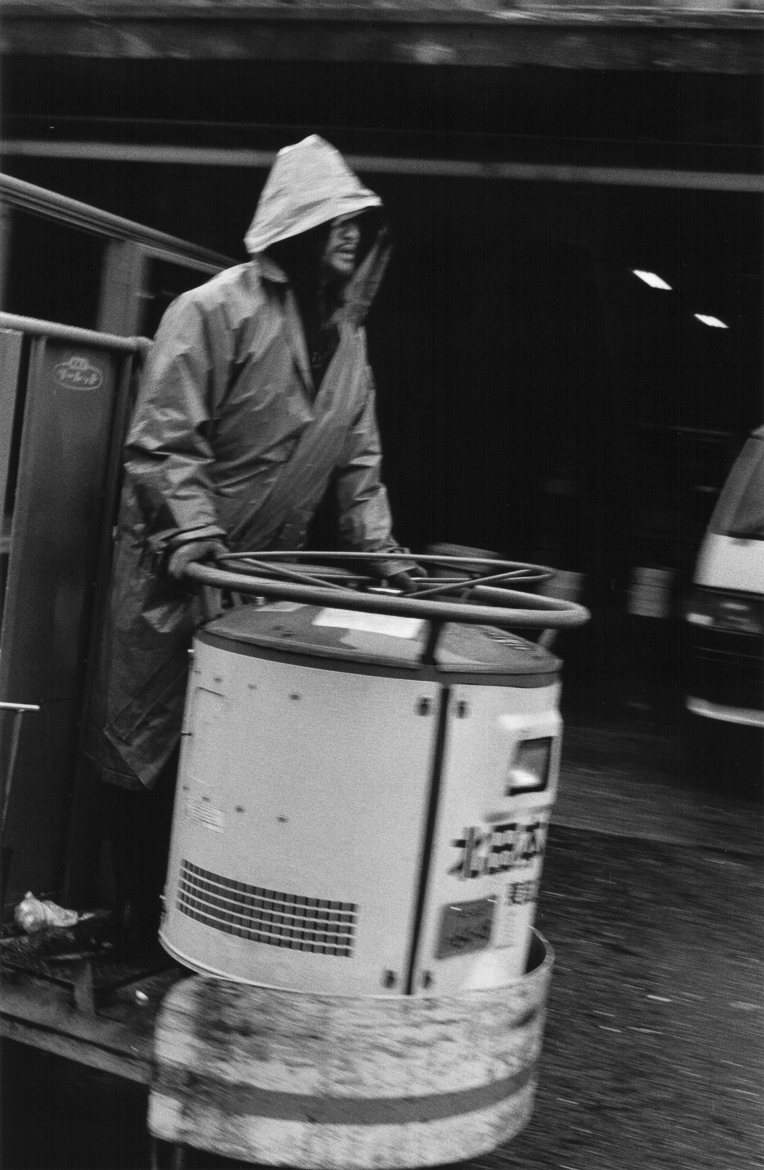
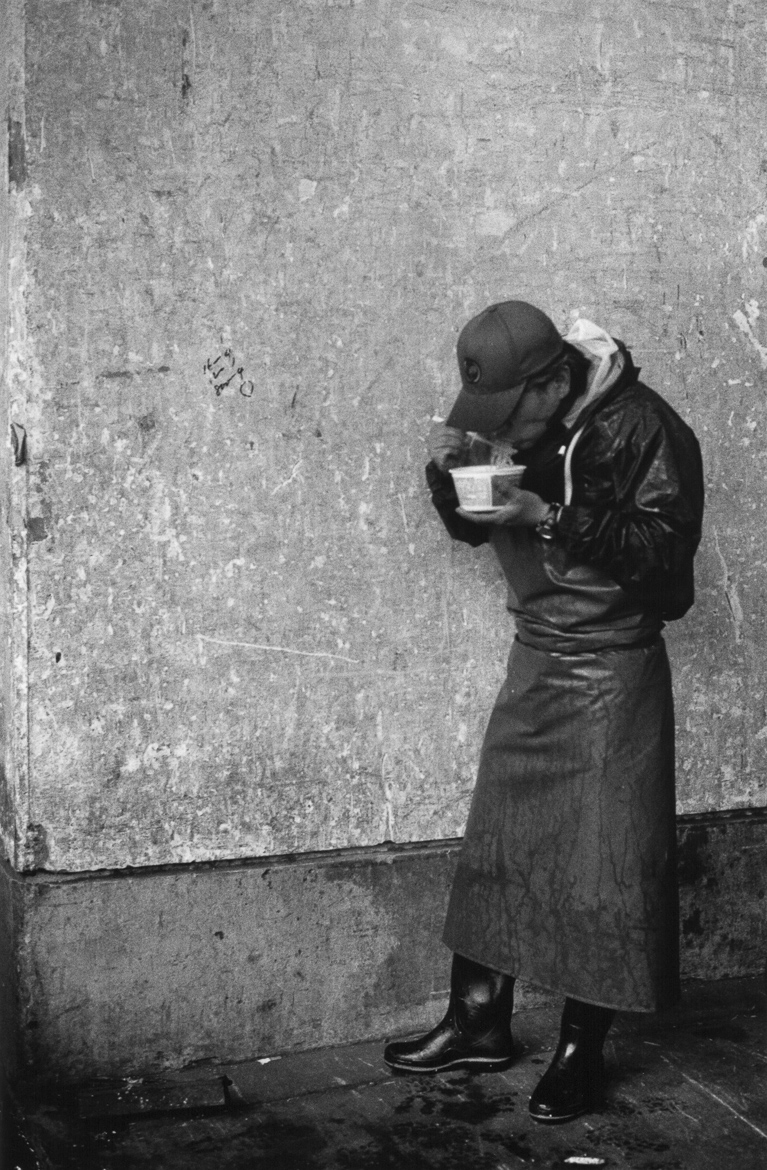
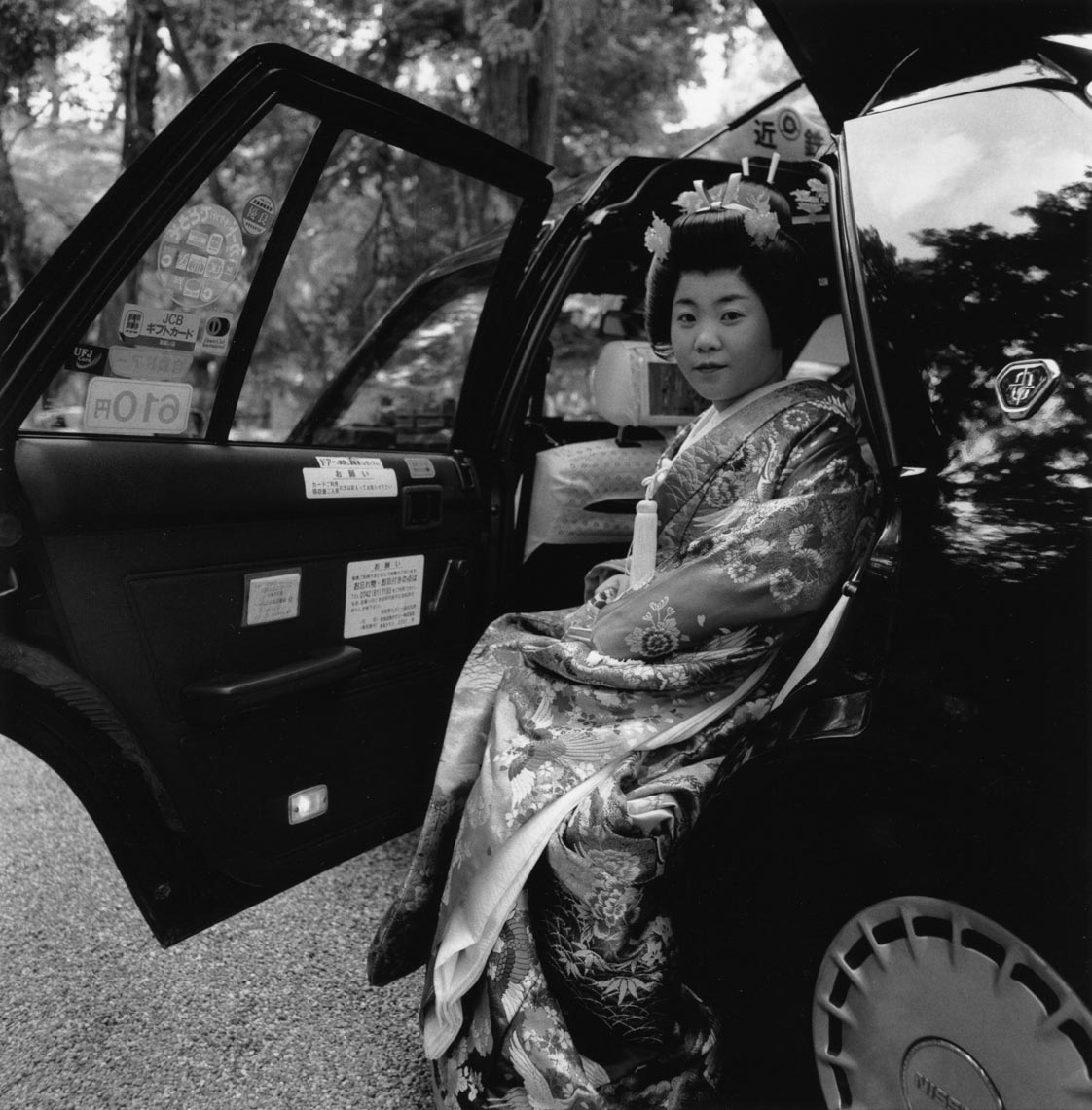
Japan, 2001–2003 was made over several stays in the country, moving without a fixed itinerary and allowing walking, time and repetition to guide the photographs. Working with film, the images emerge from everyday situations encountered while drifting through cities and peripheral spaces, with a sustained attention to people and to moments of pause within movement.
Rather than approaching Japan as a subject, the work extends concerns present throughout the author’s practice: clarity of form, restraint and the search for calm while moving through the world. In this context, photographing becomes a way of staying present — aligning looking, time and space — and allowing images to surface without emphasis or explanation.
Eutopía
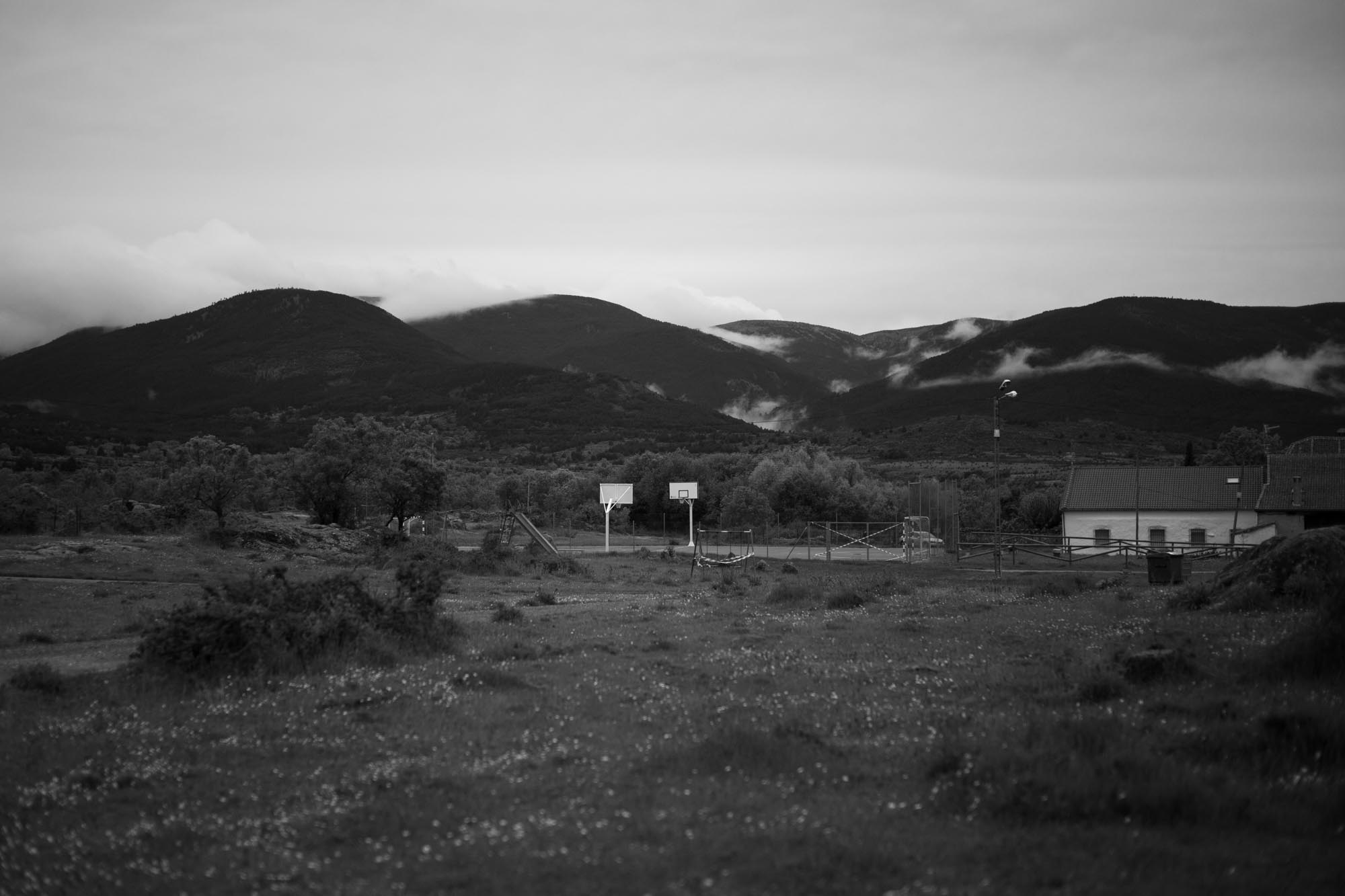
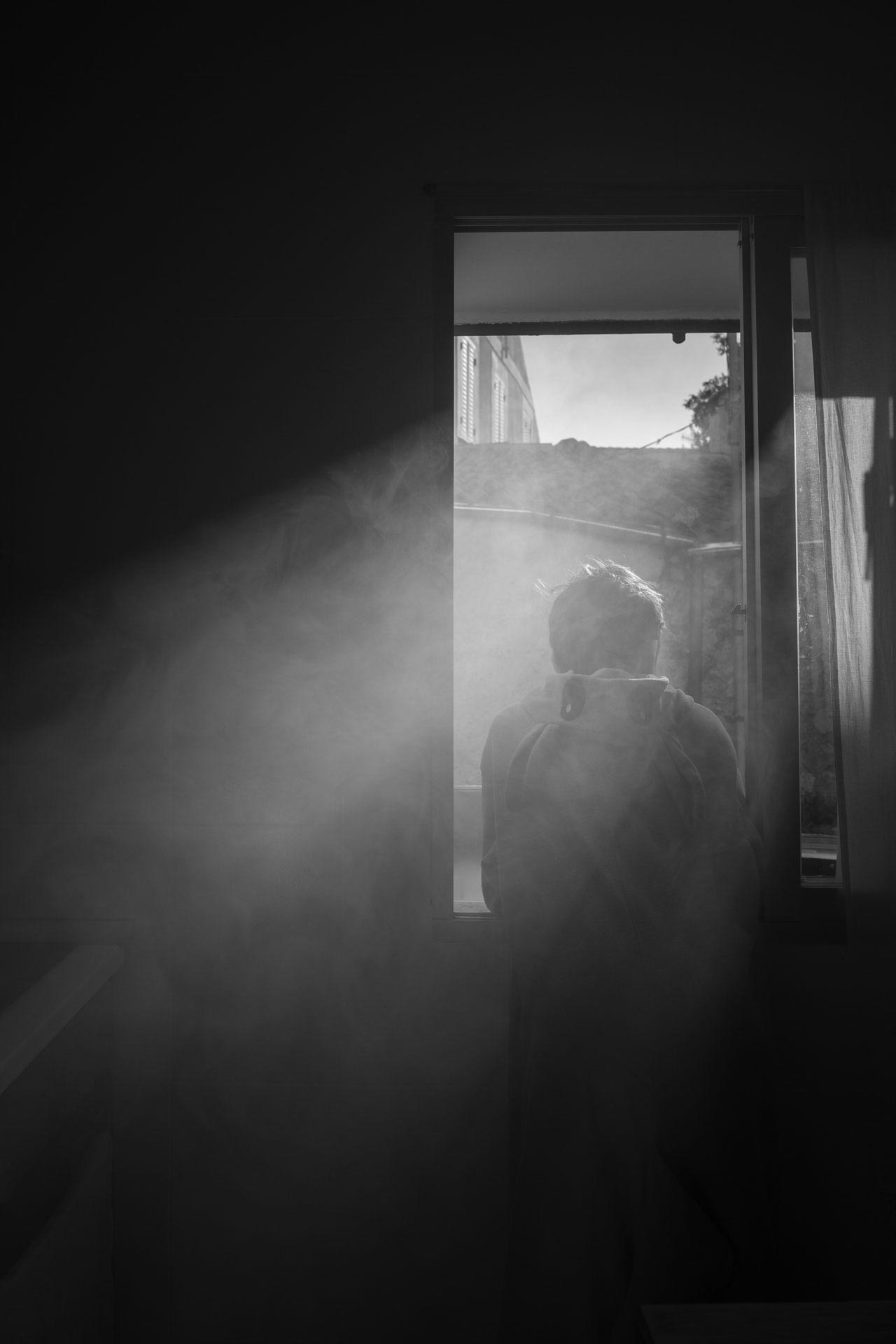
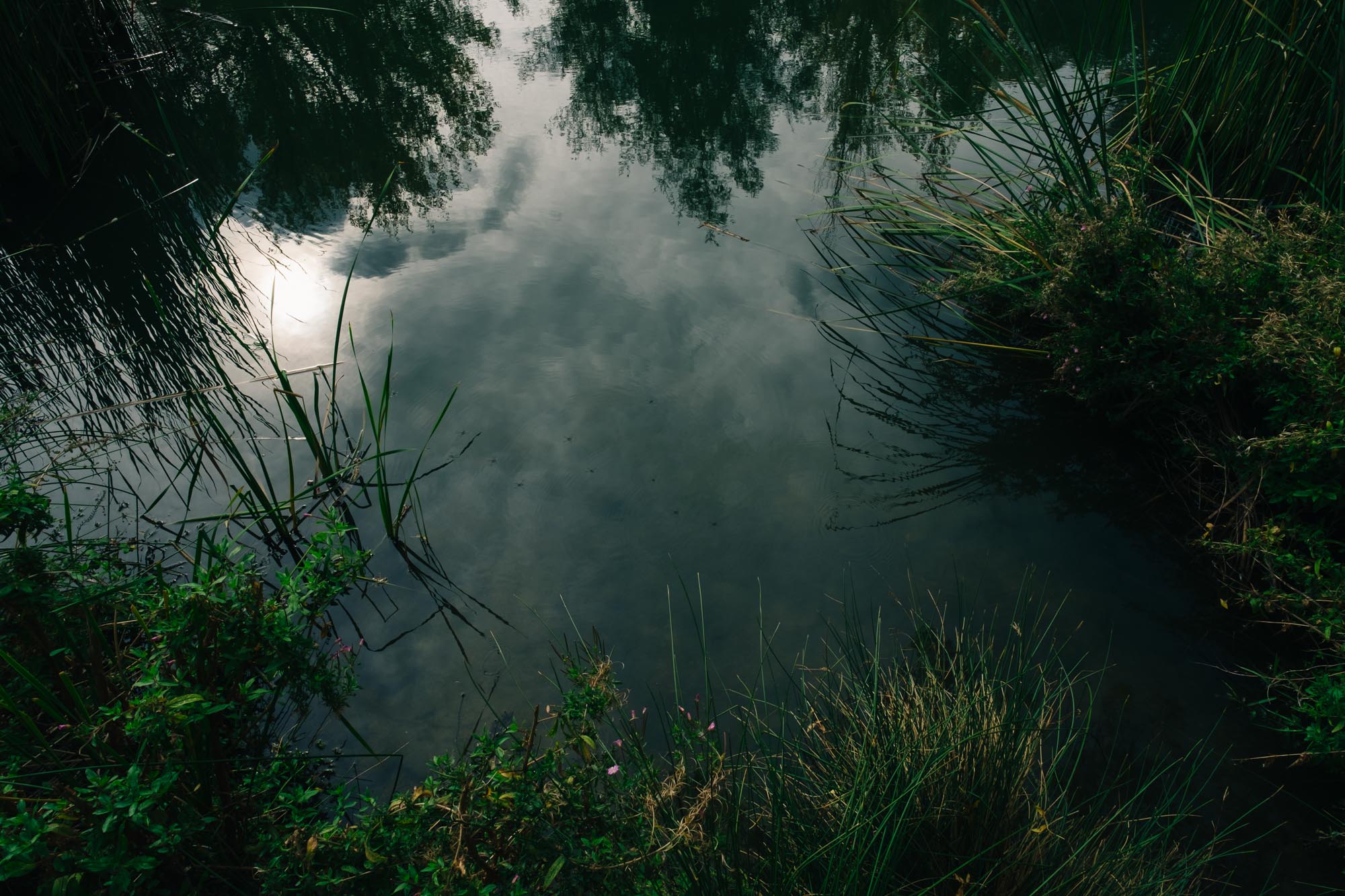
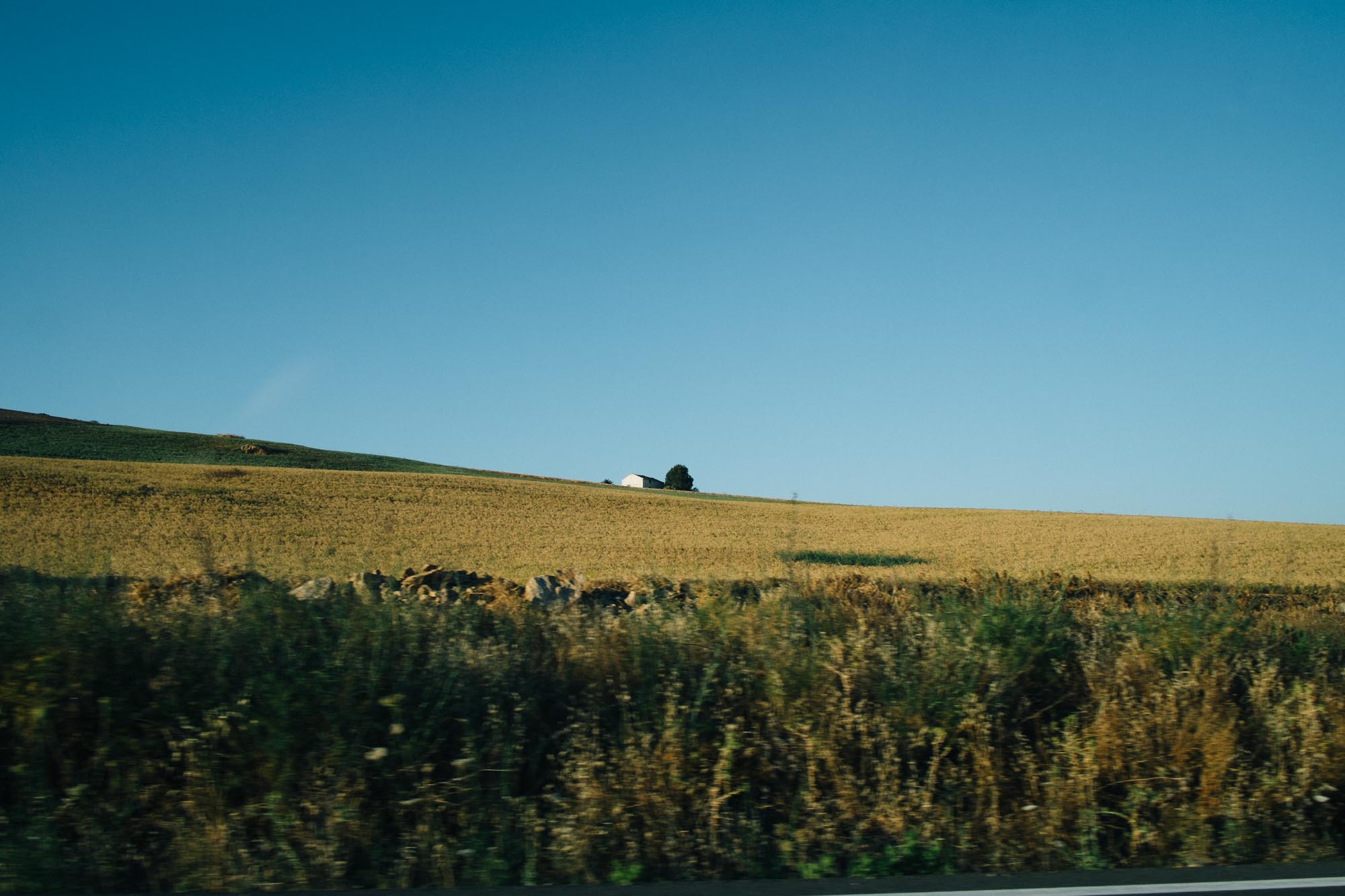
Eutopía is a photographic work that emerges from the need to step away from everyday noise and find a space of calm.
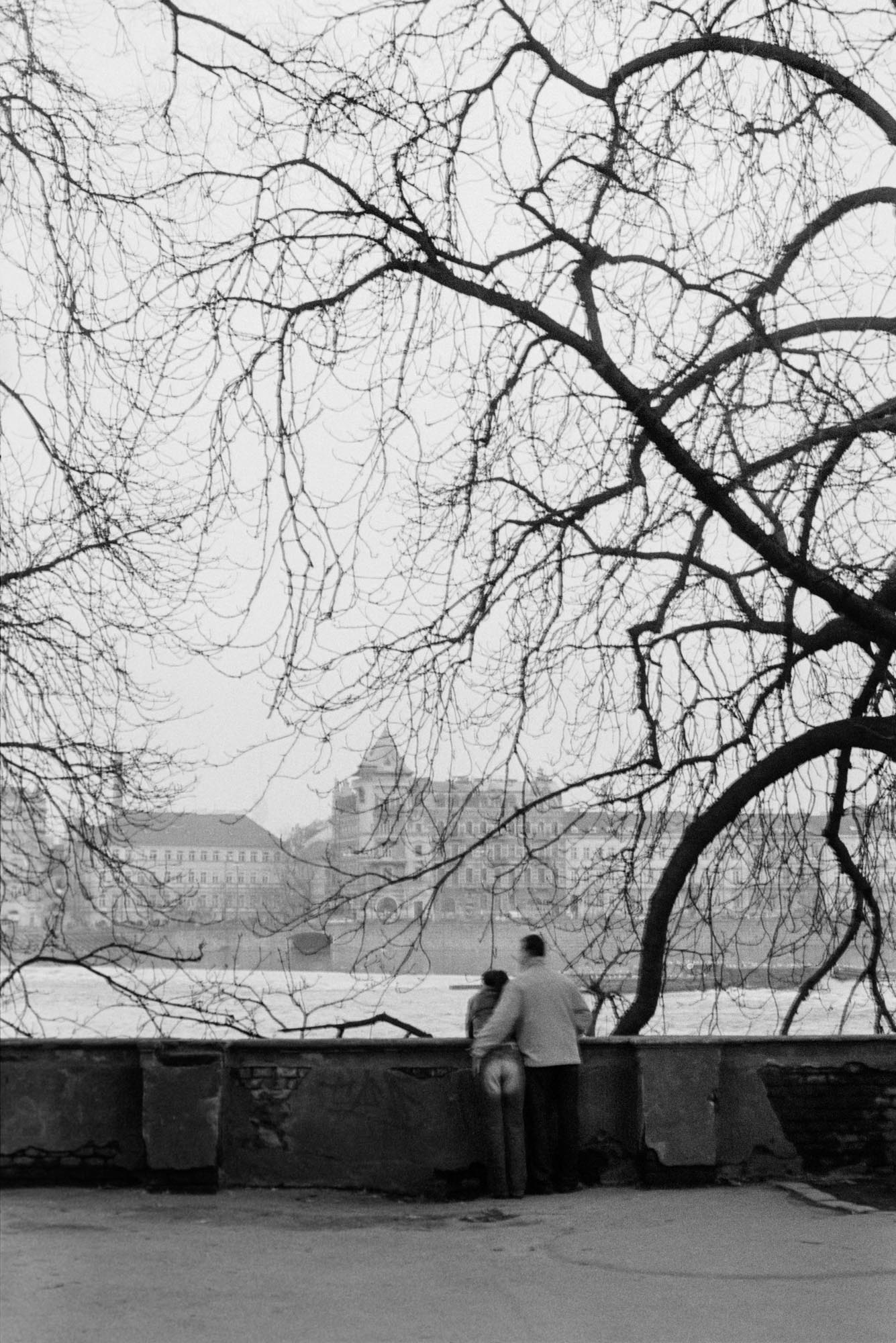
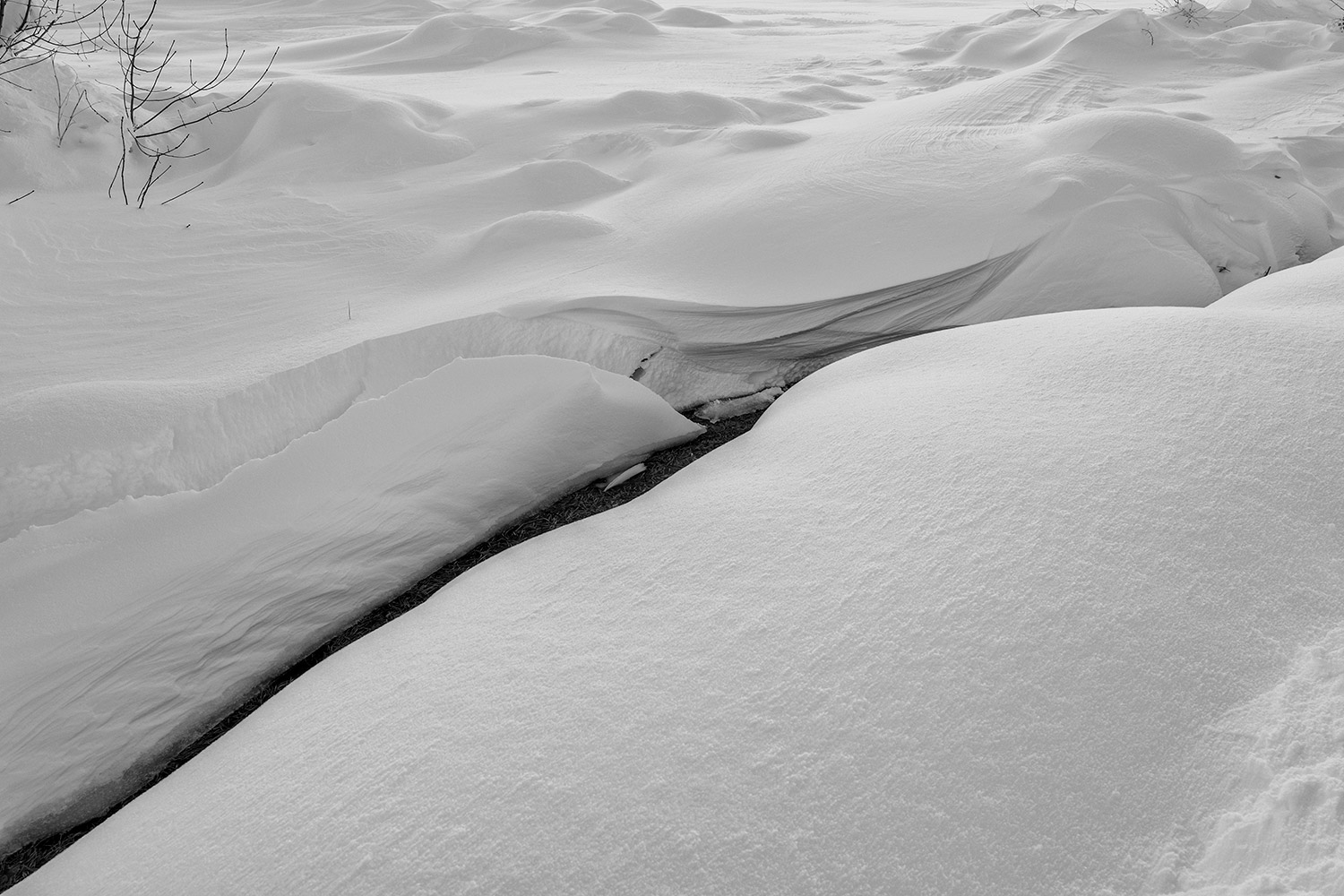
The work unfolds during a brief period in which time seems to slow down. Landscape becomes a place for attention and stillness — not as an ideal destination, but as a lived moment, fragile and temporary.
Silence here is not absence, but presence.
Not an empty solitude, but a chosen one.
Eutopía reflects on the desire to find balance between shared life and moments of retreat. A pause in which perception sharpens and the mind finds space to rest.
These moments are fleeting. They appear, hold for an instant, and fade as daily life resumes its rhythm.Eutopía exists within that pause.
Brief and essential — like a haiku — before returning to the everyday pulse.
Aldea
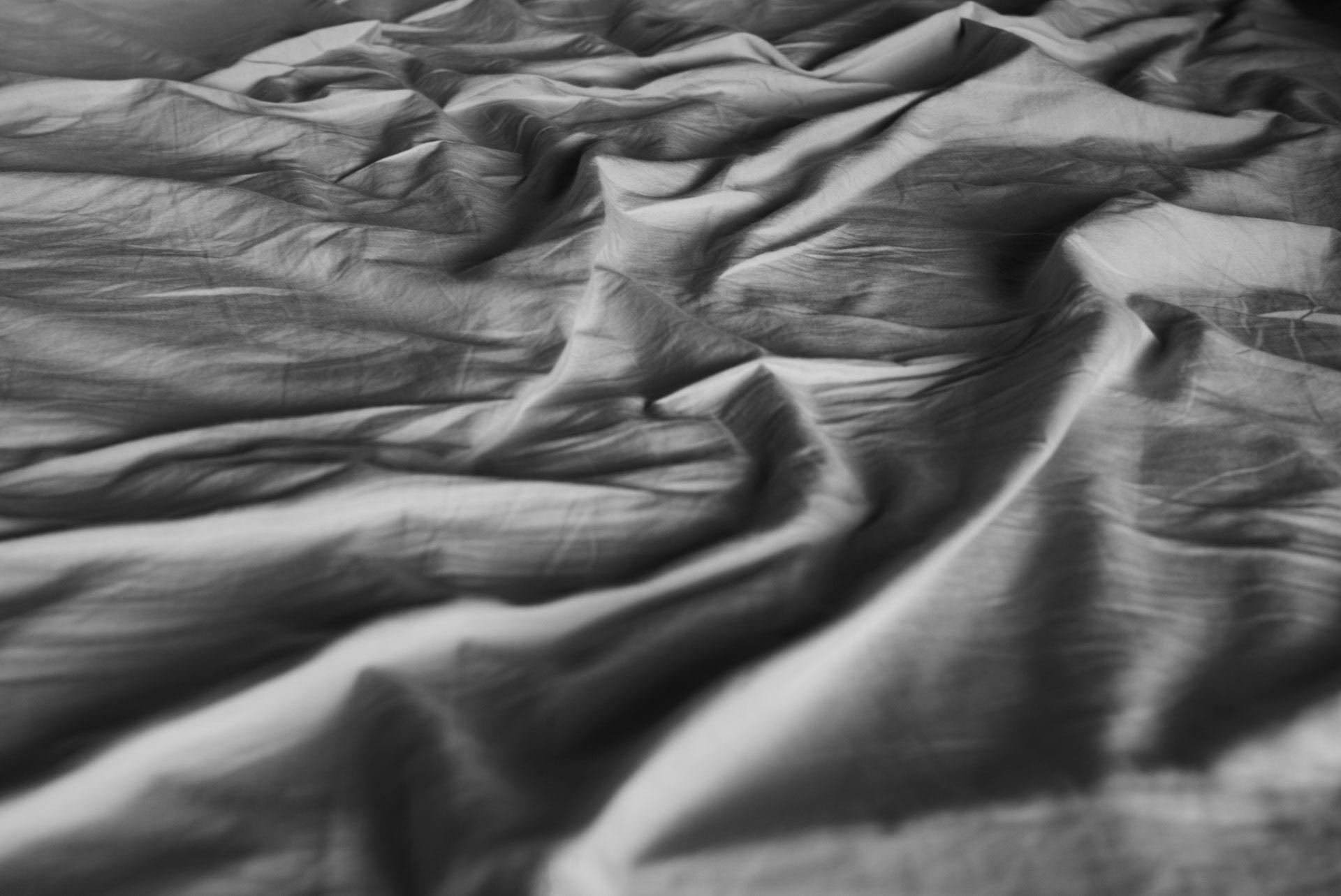
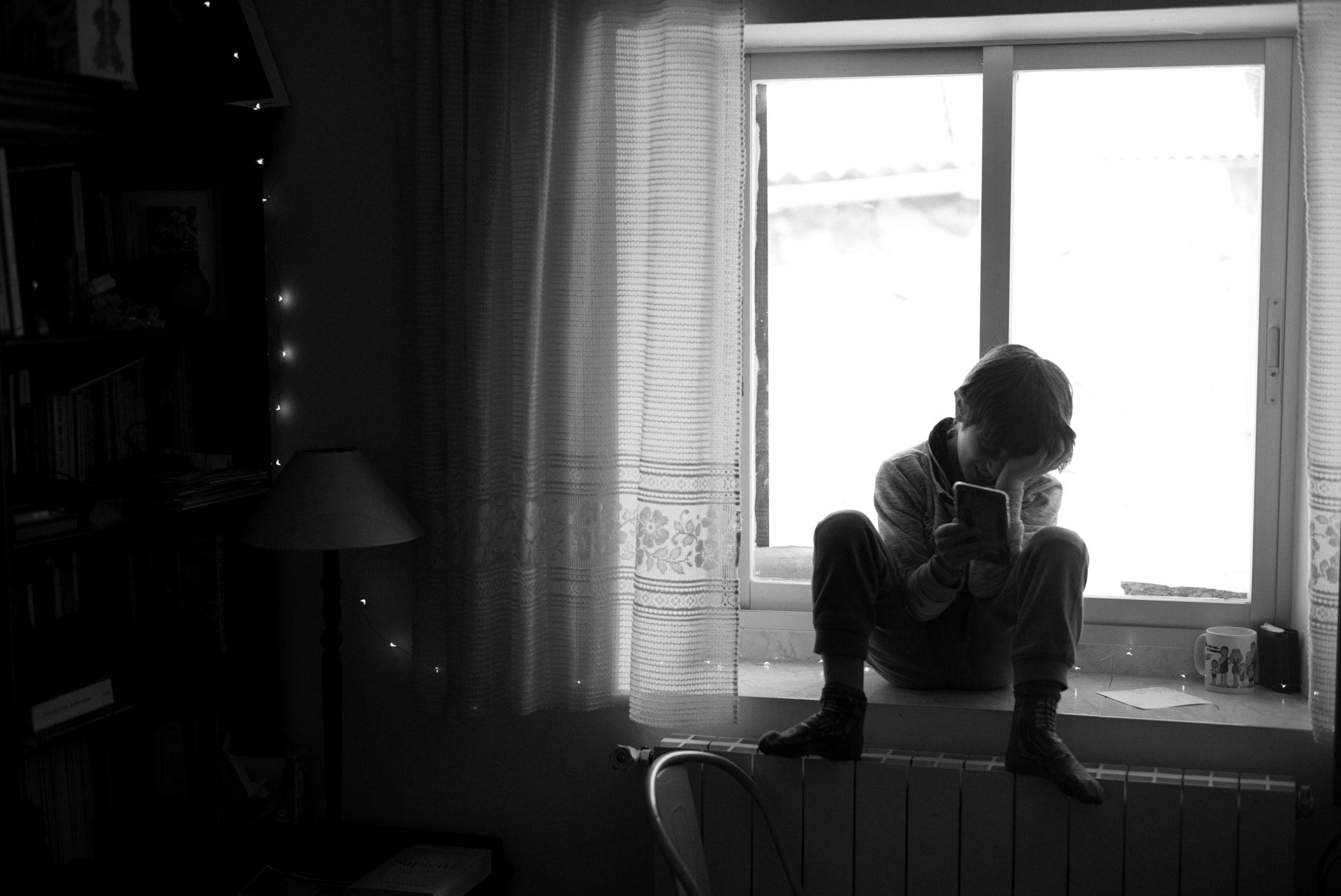
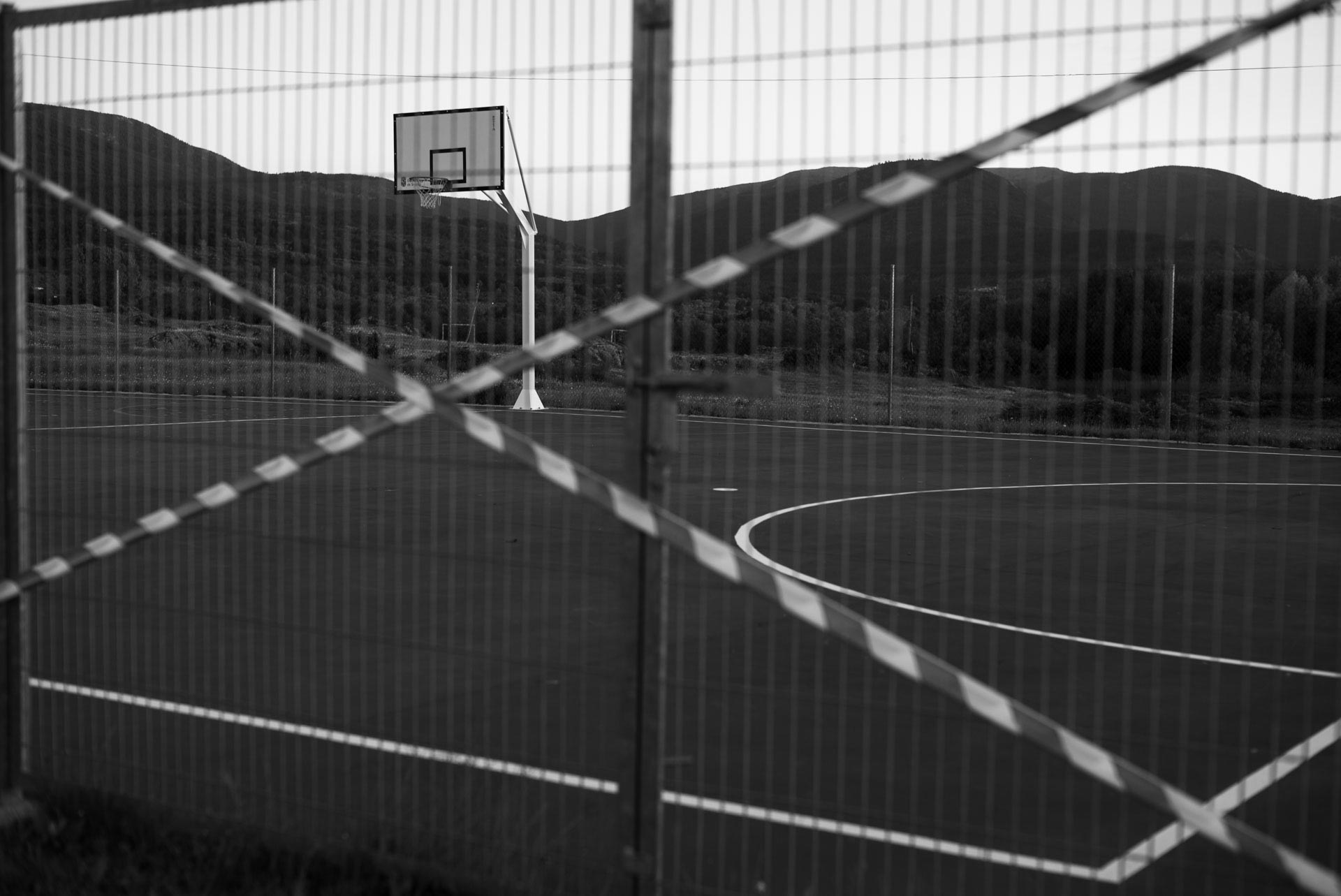
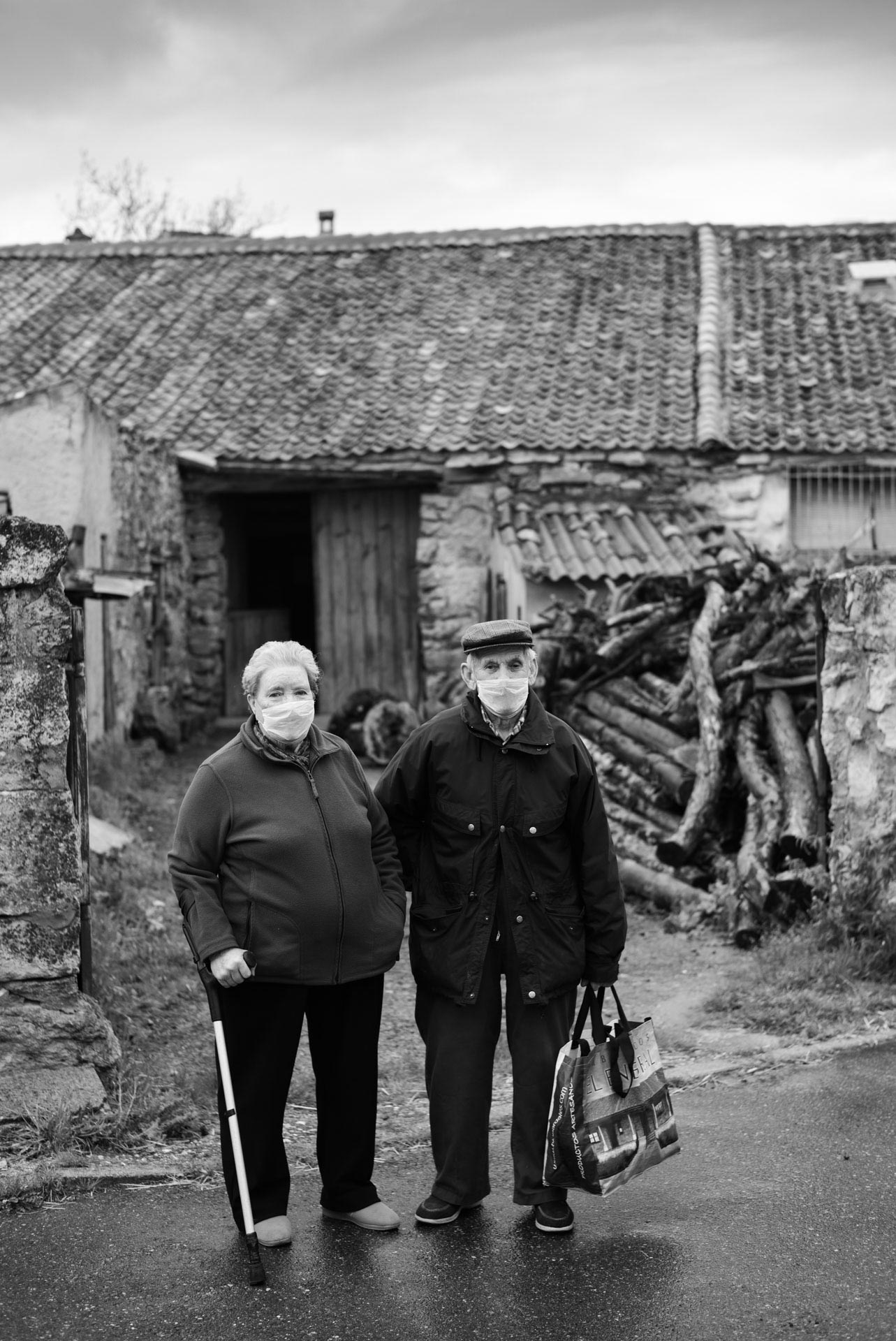
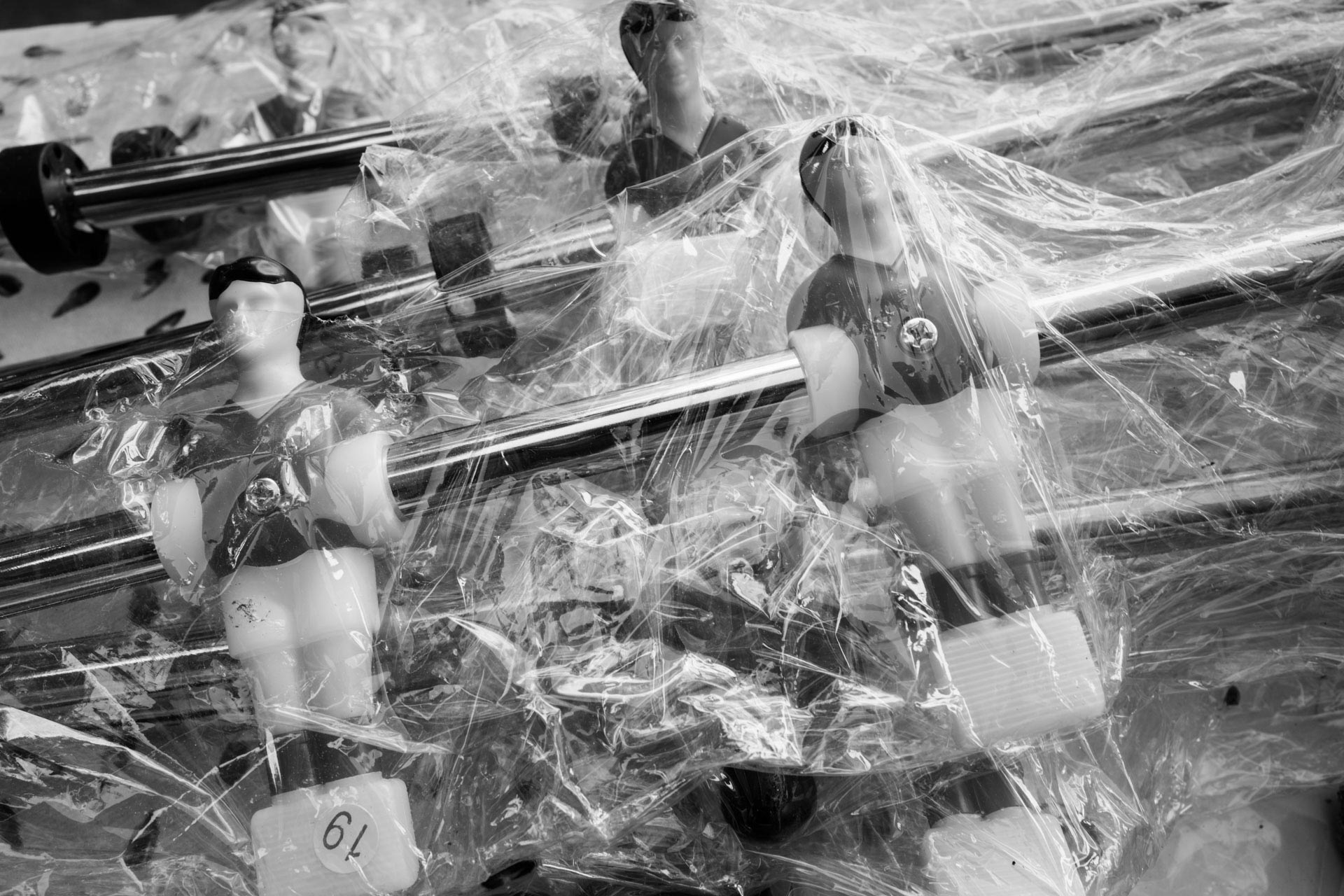
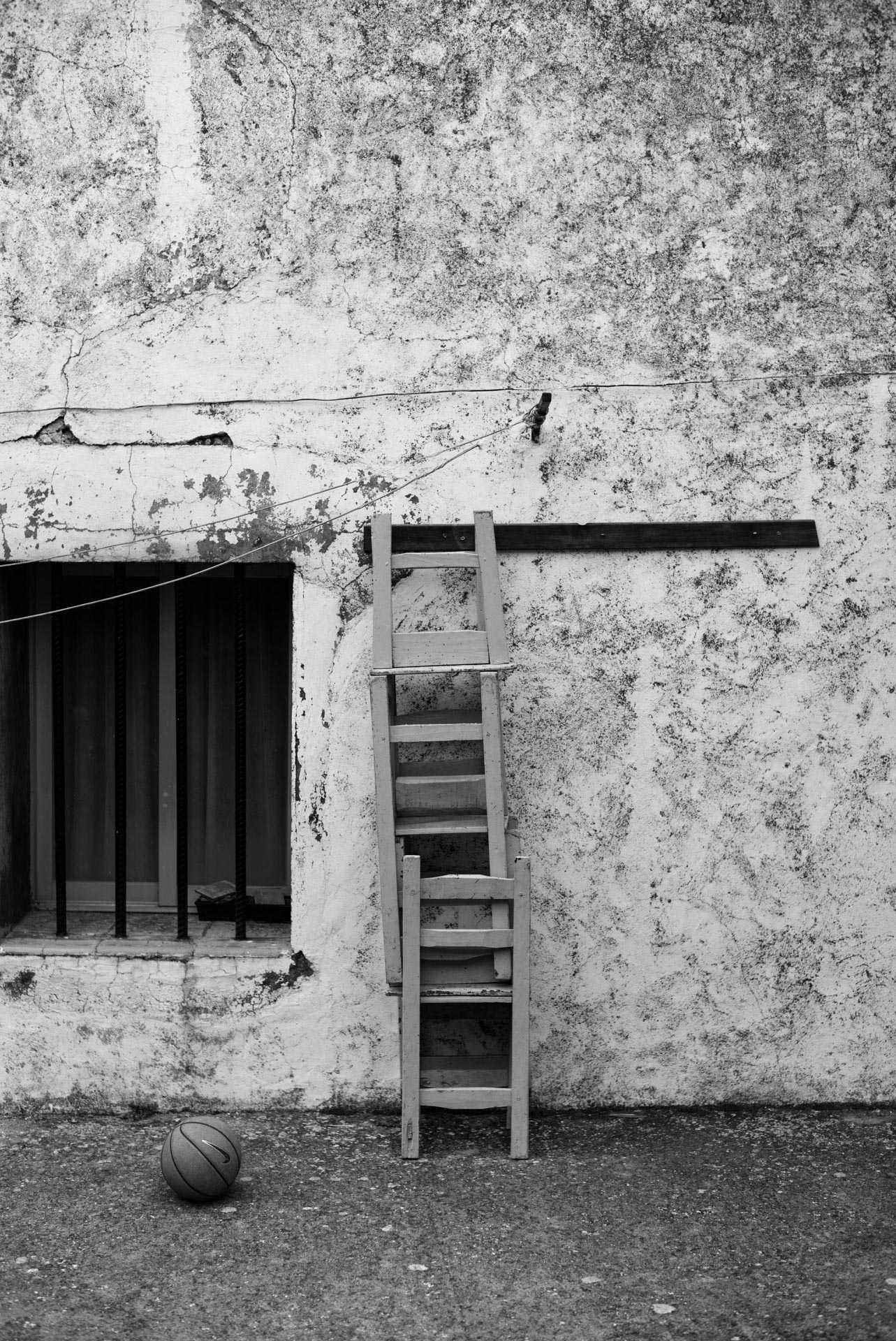
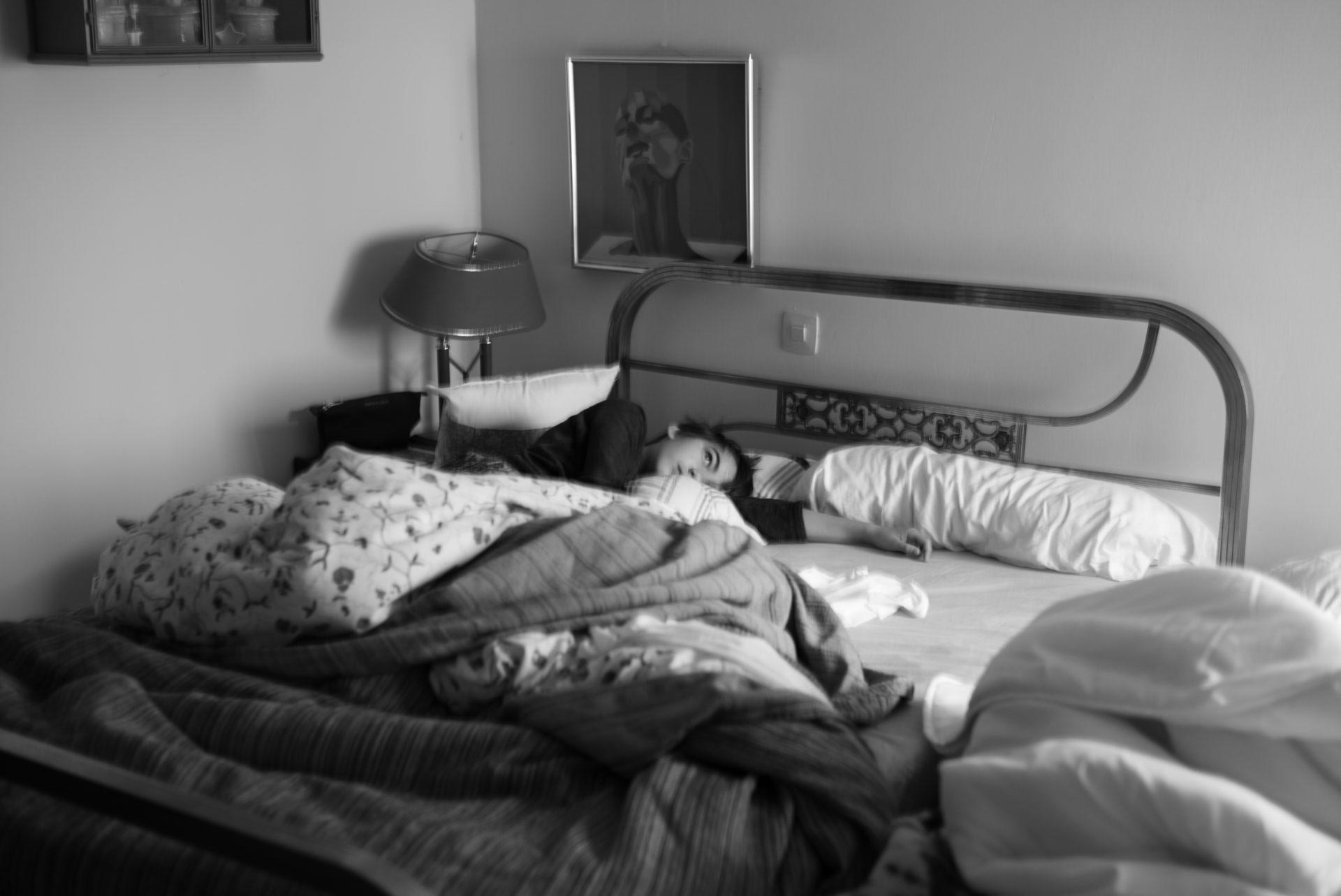
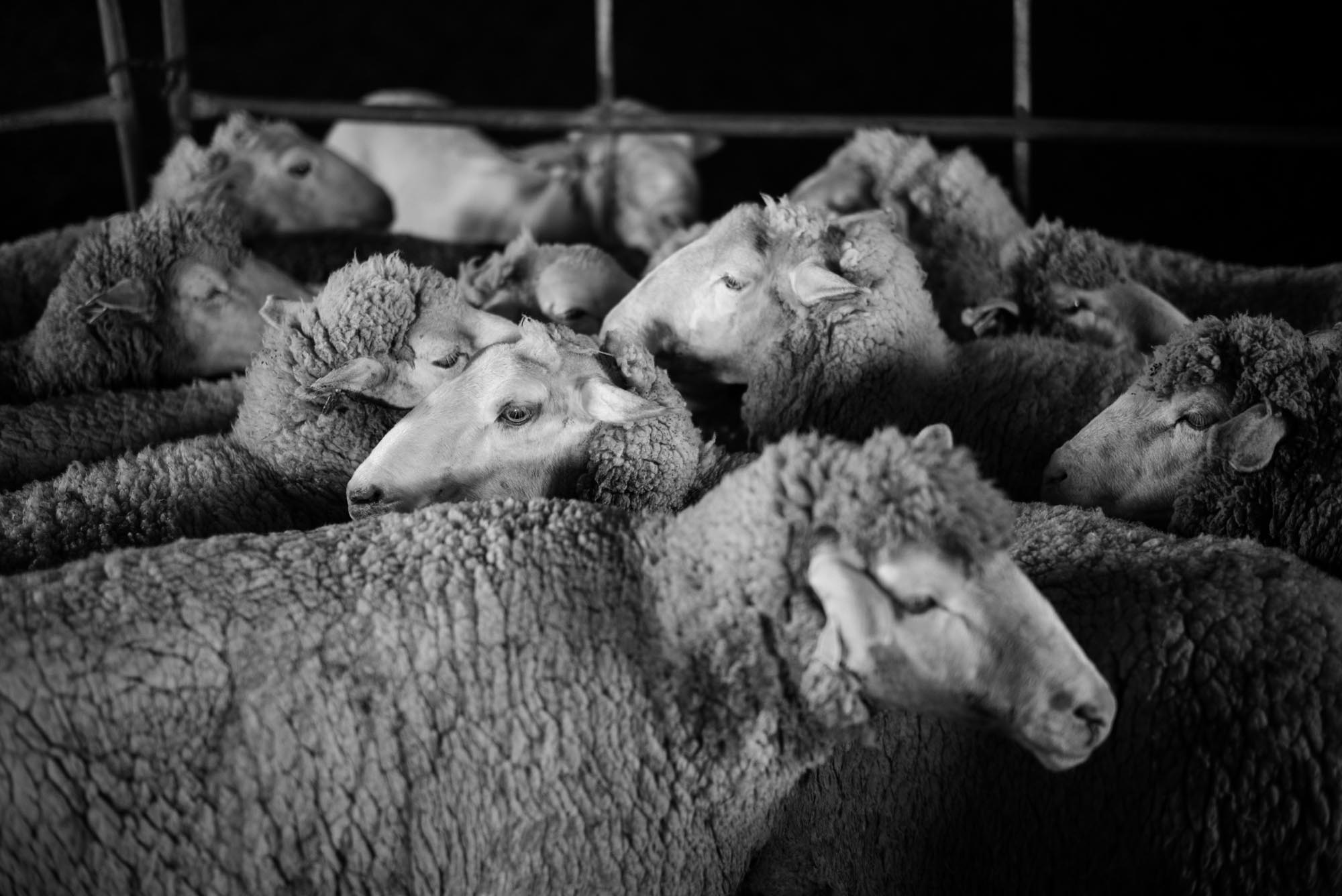
Aldea emerged during a defined period in 2020, shaped by several months spent living outside the city.
Every time I leave the city behind, the same question comes back.
The sea, the mountains, a small village.
A different time, a different rhythm.
It’s not just a pause; it’s a desire to feel, to listen, to live in another way.
One of those places is the village where I spent some summer days as a child, my grandparents’ village. Over time, and together with my family, we made it our own. Living there for several months allowed us to experience everyday life without urgency.
We discover that very little is needed to be well.
Simple living shows us what truly matters.
It draws our attention to what is close, ordinary, and to what often goes unnoticed.

Editorial Portraits | The Age of SMS
In the late 1990s and early 2000s, the editorial world stood at a threshold. Print media still dominated, while digital technologies were beginning to reshape the ways stories were written, circulated and consumed. Large publishing houses defined the canon, journalism remained largely anchored to paper, and photography was still predominantly analogue, even as early digital tools quietly announced an imminent shift.
The arrival of SMS — limited to 160 characters — introduced a new sense of fragmentation and immediacy. Across different cultural contexts, forms of short, discontinuous writing emerged, anticipating broader transformations in narrative, attention and communication. This period marked a fragile balance between the tangible and the ephemeral, just before the consolidation of smartphones and permanent connectivity.
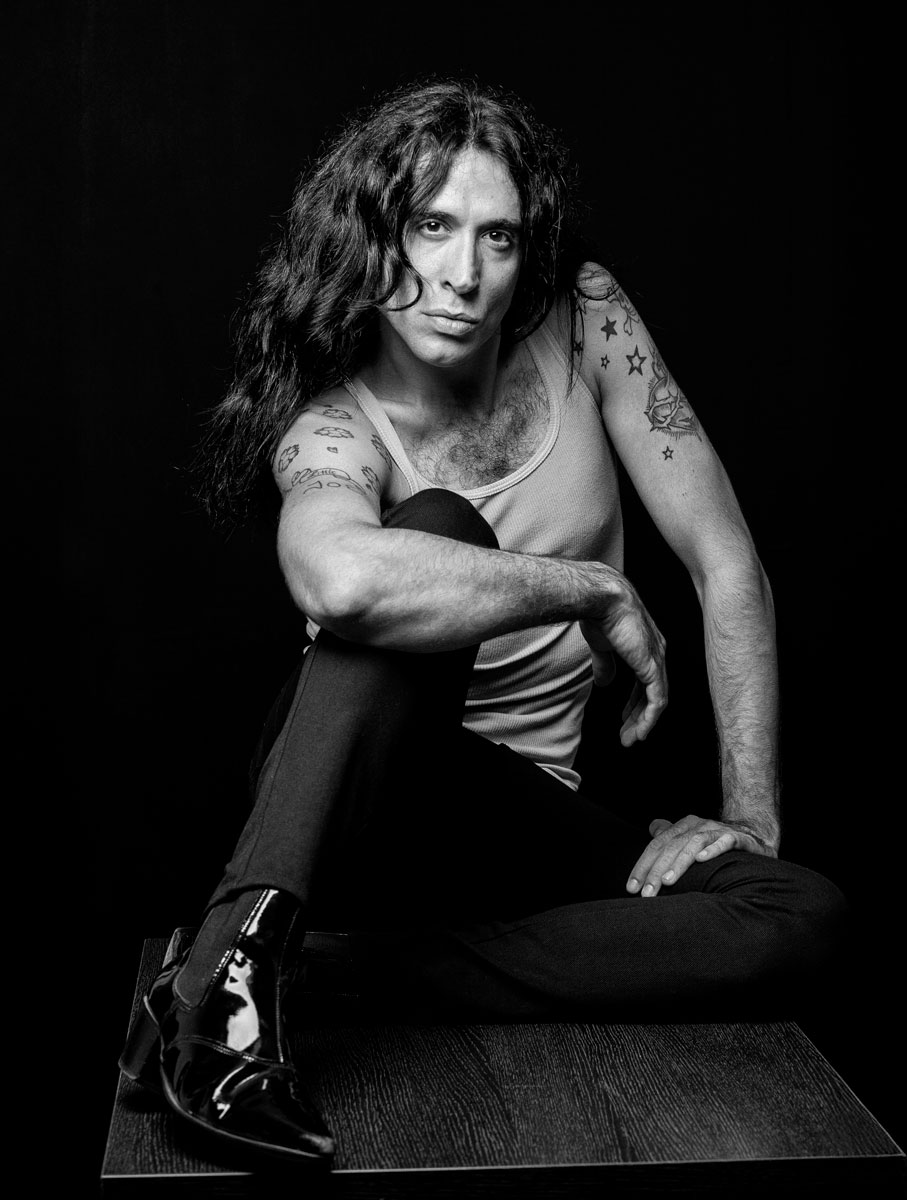
Editorial Portraits | The Age of SMS brings together a body of portraits made during this transitional moment. Photographed on film and produced within the context of editorial assignments, these images capture writers, artists and public figures at a time when the act of being photographed still involved a slower, more direct encounter. The gaze remains largely unguarded, the presence less mediated.
Seen today, the work reads as a visual record of a recent past — a moment when photography, journalism and culture were on the verge of profound change. Rather than illustrating nostalgia, the portraits preserve the texture of an era, bearing witness to a way of looking and being looked at that has largely disappeared.